Tata Steel and Ecocem Are Expanding the Cement Role of BOF and EAF Slag in Europe
Tata Steel IJmuiden and Ecocem signed a memorandum of understanding on 13 May 2026 to deepen work on two steelmaking slag streams for low-carbon cement, mortar and concrete applications in Europe. Beyond the headline, the move signals that Europe is looking past traditional granulated blast furnace slag toward a broader SCM supply base shaped by steel decarbonisation, qualification work and new circular-economy pathways.
Tata Steel 与 Ecocem 正在扩大 BOF 与 EAF 钢渣在欧洲水泥中的角色
2026 年 5 月 13 日,Tata Steel IJmuiden 与 Ecocem 签署谅解备忘录,计划深化两类炼钢钢渣在欧洲低碳水泥、砂浆与混凝土中的应用。比新闻标题更重要的是,这一动作显示欧洲正在把目光从传统粒化高炉矿渣,逐步转向一个更广泛的 SCM 供应基础,而这个基础将受钢铁脱碳、材料验证和循环经济路径共同塑造。
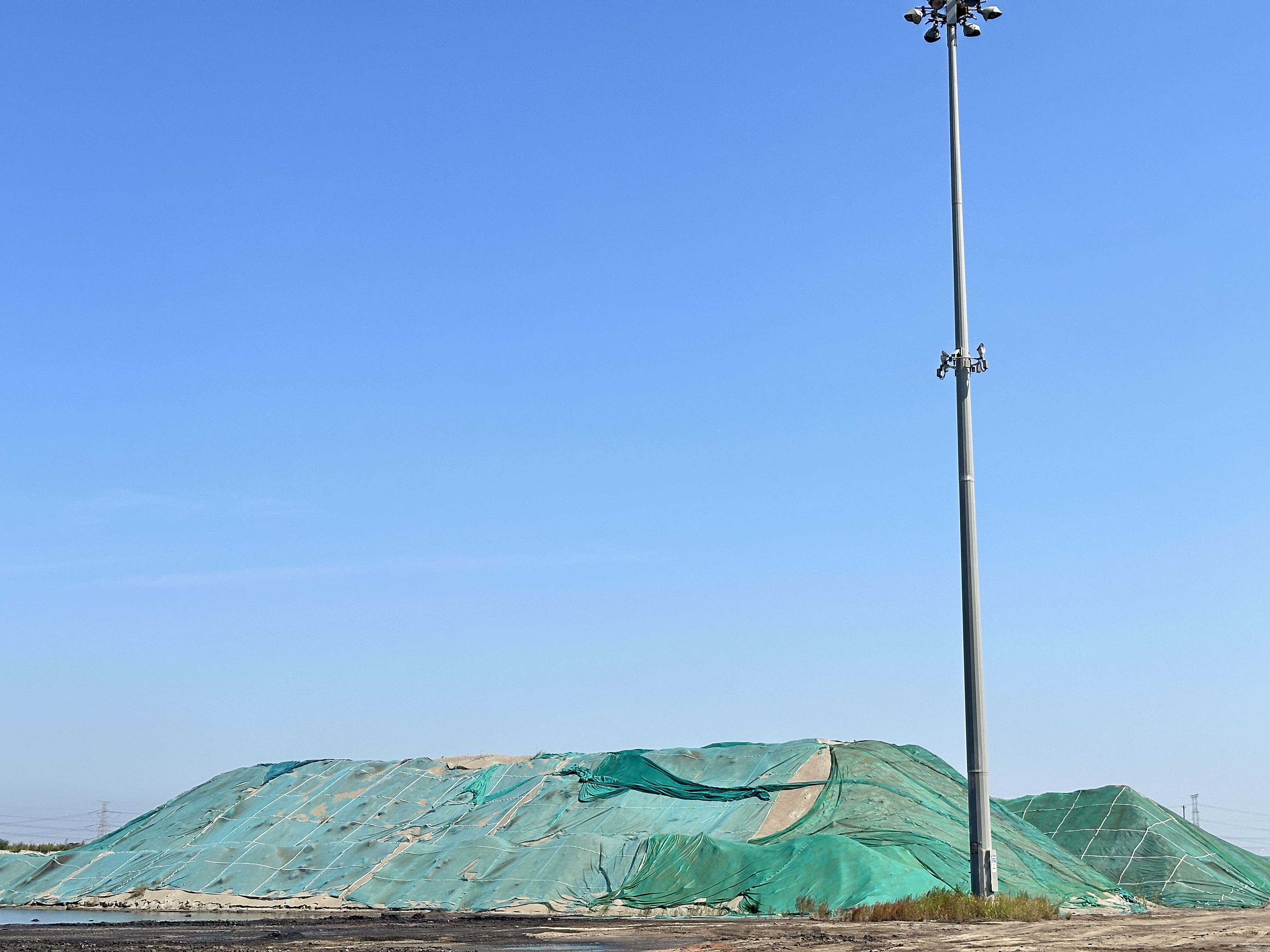
A new agreement between Tata Steel IJmuiden and Ecocem offers a useful signal for anyone watching the future of cementitious materials in Europe. On 13 May 2026, the two companies signed a memorandum of understanding to strengthen cooperation on the development and potential use of two steelmaking slag streams in low-carbon cement, mortar and concrete applications. The announcement matters because it goes beyond the established granulated blast furnace slag story. It points toward a wider search for alternative supplementary cementitious materials as the steel and cement sectors both push deeper into decarbonisation.
1. Why this agreement matters beyond one bilateral partnership
According to the announcement, the memorandum builds on an existing joint research programme and explores technical, commercial and regulatory routes for the beneficial use of steelmaking slags produced at Tata Steel IJmuiden. Ecocem already works with the company on the valorisation of granulated blast furnace slag in cement and concrete. The new step adds sharper focus on basic oxygen furnace slag as an alternative cementitious material, while continuing development work on electric arc furnace slag as a supplementary cementitious material. In practical terms, that means the conversation is moving from one familiar slag stream toward a broader portfolio of possible cement inputs.
That shift matters because Europe’s low-carbon cement transition cannot rely forever on a static blast furnace slag base. If steelmaking routes diversify, the future SCM map will also diversify. Companies that can qualify and scale additional slag-derived binders may gain an advantage in supplying blended cements, lower-clinker formulations and low-carbon concrete systems. For traders and exporters, the message is that SCM opportunity is becoming more technical and more segmented, not simply larger in volume.
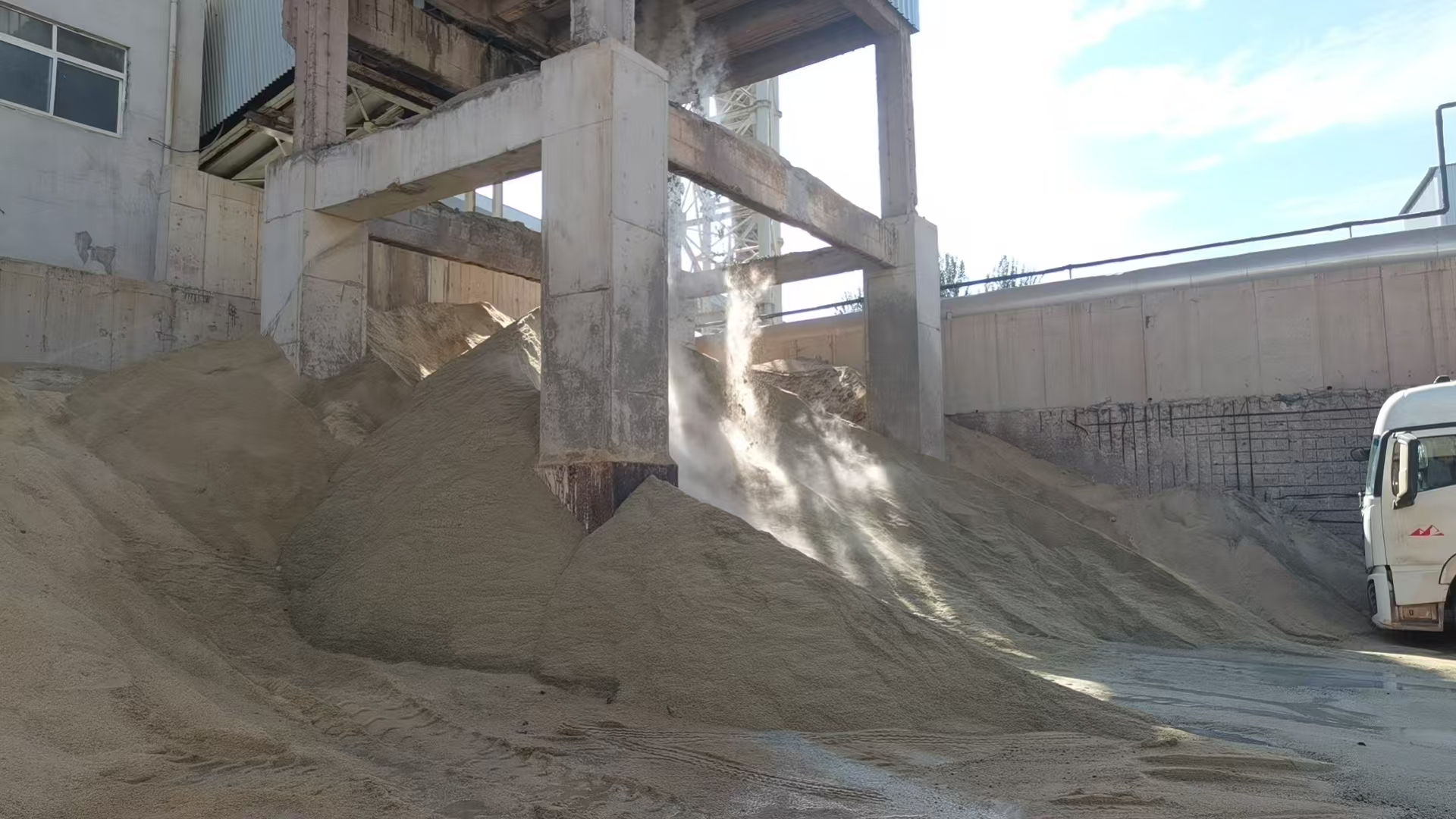
2. The real question is qualification, not only availability
The agreement is important not because BOF and EAF slag are instantly interchangeable with every established cementitious material, but because it formalises the work needed to make them usable. Technical suitability, grinding behaviour, chemistry, performance consistency and regulatory acceptance all matter. The memorandum explicitly highlights not just technical work, but also commercial and regulatory pathways. That is a strong reminder that future SCM supply will be shaped as much by standards and market acceptance as by industrial by-product availability.
For cement producers, this widens the medium-term option set. For suppliers, it raises the bar. Buyers may increasingly ask not only where a slag stream comes from, but how repeatable its profile is in blending and final concrete performance. That favors companies that understand both bulk-material logistics and technical qualification. In that sense, the low-carbon cement market is becoming less about opportunistic by-product use and more about engineered SCM supply chains.
3. What GBFS and GGBFS suppliers should watch next
Traditional GBFS and GGBFS will remain strategically important, especially where reliable blast furnace output and export execution still support large-volume trade. But agreements like this suggest the competitive landscape is widening. Suppliers should watch how quickly BOF and EAF slag projects move from research into certified use, which markets accept those materials first, and whether steel decarbonisation changes the balance between conventional slag availability and newer steelmaking by-product streams. The winners may be the companies that stay close to both logistics reality and material science.
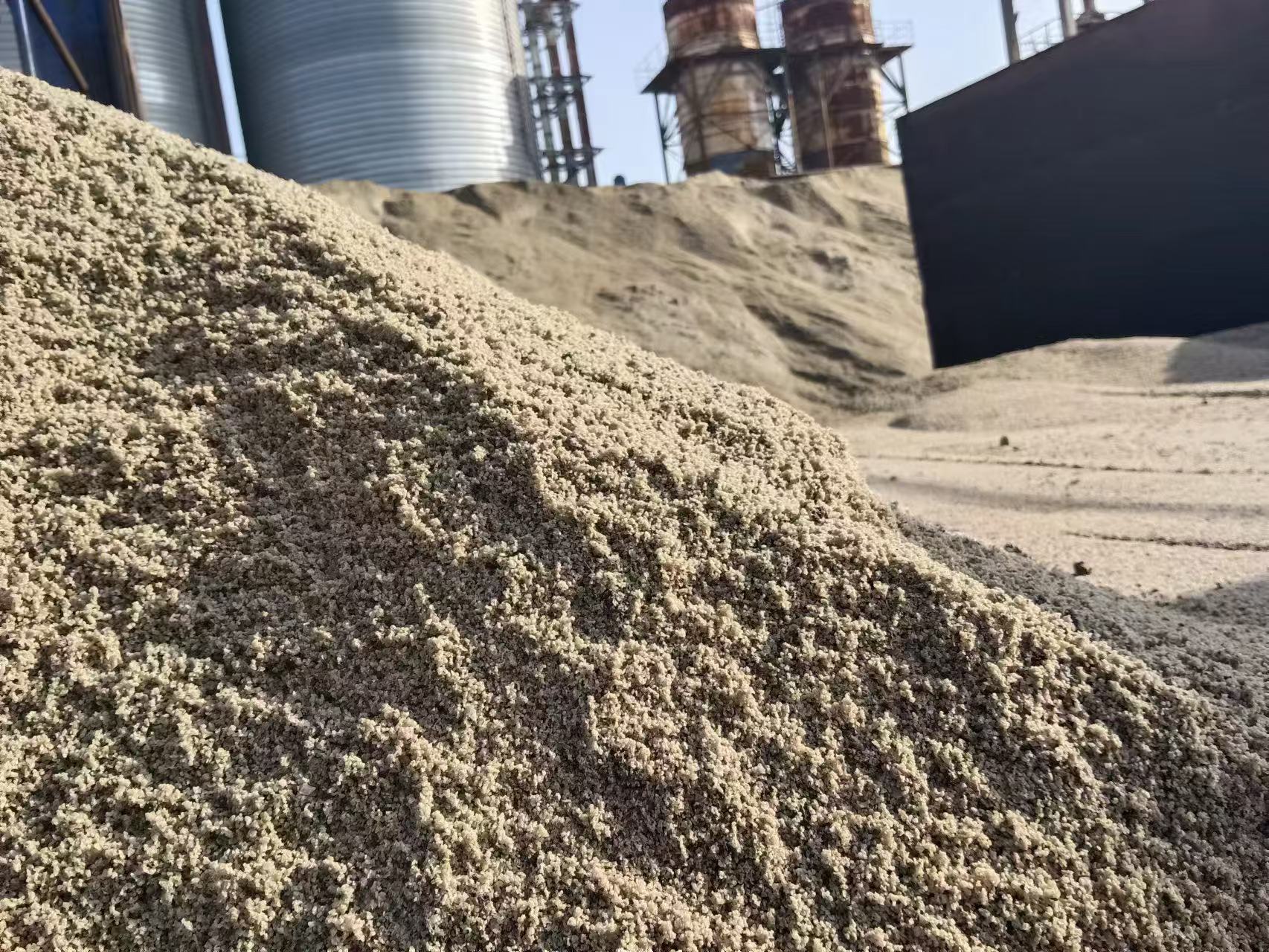
For SENLAN Trading, the broader takeaway is straightforward: the European market is sending another signal that slag is no longer just a by-product story. It is becoming a strategic, regulated and performance-sensitive part of low-carbon cement planning. Reliable GBFS and GGBFS supply still matters today, but tomorrow’s opportunity may also lie in understanding how alternative slag streams are qualified, positioned and integrated into real cement economics.
Tata Steel IJmuiden 与 Ecocem 的一项新协议,为关注欧洲胶凝材料未来走势的人提供了一个很有价值的信号。2026 年 5 月 13 日,这两家公司签署谅解备忘录,计划加强合作,开发并推动两类炼钢钢渣在低碳水泥、砂浆和混凝土中的潜在应用。这条消息之所以重要,是因为它已经不只是传统粒化高炉矿渣的延伸,而是在指向一个更广泛的趋势:随着钢铁与水泥两大行业同时深入推进脱碳,市场正在主动寻找新的补充胶凝材料来源。
1. 为什么这份协议的意义不止于一项双边合作
根据公告,这份备忘录建立在双方现有联合研究项目基础上,重点探索 Tata Steel IJmuiden 所产炼钢钢渣在技术、商业和监管层面的可利用路径。Ecocem 之前已经与其在粒化高炉矿渣用于水泥和混凝土方面展开合作;而这次的新动作,则把焦点进一步放在转炉钢渣作为替代性胶凝材料的潜力上,同时继续推进电弧炉钢渣作为补充胶凝材料的开发。换句话说,市场讨论正在从一条熟悉的矿渣路径,逐渐转向一个更丰富的可能原料组合。
这一转向之所以值得重视,是因为欧洲的低碳水泥转型不可能永远建立在一个静态不变的高炉矿渣基础之上。如果炼钢路线开始多样化,未来 SCM 供应地图也会随之多样化。谁能率先把更多钢渣衍生胶凝材料完成验证并实现规模化,谁就可能在掺配水泥、低熟料配方和低碳混凝土体系中占得先机。对贸易商和出口商而言,这意味着 SCM 机会正在变得更技术化、更细分,而不只是单纯“总量更大”。
2. 真正的关键不只是有没有货,而是能否完成验证
这份协议的重要性,并不在于 BOF 和 EAF 钢渣会立刻与所有成熟胶凝材料完全互换,而在于它把“让这些材料真正可用”的工作正式推到了台前。技术适配性、粉磨表现、化学组成、性能一致性以及监管接受度,都会成为关键变量。公告特别提到的不只是技术路线,还有商业和监管路径,这很清楚地提醒市场:未来 SCM 供应的形成,既取决于工业副产物有没有,也取决于标准体系和市场是否真正接受。
对水泥生产商来说,这会在中期扩大可选材料组合;而对供应商来说,则是在抬高门槛。买家未来越来越可能不只问“这批矿渣从哪里来”,还会问“它在掺配和最终混凝土性能上是否具备可重复性”。这会更有利于那些既懂散装材料物流、又懂技术验证的公司。从这个角度看,低碳水泥市场正在逐步从“机会型副产物利用”,转向“工程化 SCM 供应链”。
3. GBFS 与 GGBFS 供应商接下来该关注什么
传统 GBFS 与 GGBFS 仍将保持战略重要性,尤其是在那些高炉产出稳定、出口执行仍能支撑大宗贸易的市场。但像这样的合作也说明,竞争格局正在扩展。供应商接下来要关注的是:BOF 与 EAF 钢渣项目推进到认证应用的速度、哪些市场会率先接受这些材料,以及钢铁脱碳是否会改变传统矿渣可得性与新型炼钢副产物流之间的平衡。最终更有机会胜出的,可能是那些同时贴近物流现实和材料科学的公司。
对森蓝贸易而言,更大的启示很直接:欧洲市场再次发出了一个信号——矿渣不再只是“副产物故事”,而正在成为低碳水泥规划中更具战略性、监管性和性能敏感度的一环。今天,稳定的 GBFS 与 GGBFS 供应仍然重要;但明天的机会,可能还在于谁更理解替代型钢渣来源是如何被验证、被定位,并真正嵌入到现实水泥经济模型里的。