France Strengthens Slag Grinding Capacity: What a New Green-Cement Acquisition Signals for GBFS Trade
Hoffmann Green Cement Technologies has acquired ABC Broyage, a slag grinding plant in North Dordogne, France. The move will import GBFS via La Rochelle and supply ground product to Hoffmann's green cement plants. For international slag suppliers, it is a clear demand-side signal from Europe.
法国加码矿渣粉磨产能:一项绿色水泥新收购对 GBFS 贸易释放了什么信号
Hoffmann Green Cement Technologies 收购了位于法国北多尔多涅的矿渣粉磨厂 ABC Broyage。该收购将通过拉罗谢尔港进口 GBFS,并向 Hoffmann 的绿色水泥工厂供应粉磨后产品。对国际矿渣供应商而言,这是来自欧洲需求端的一个明确信号。
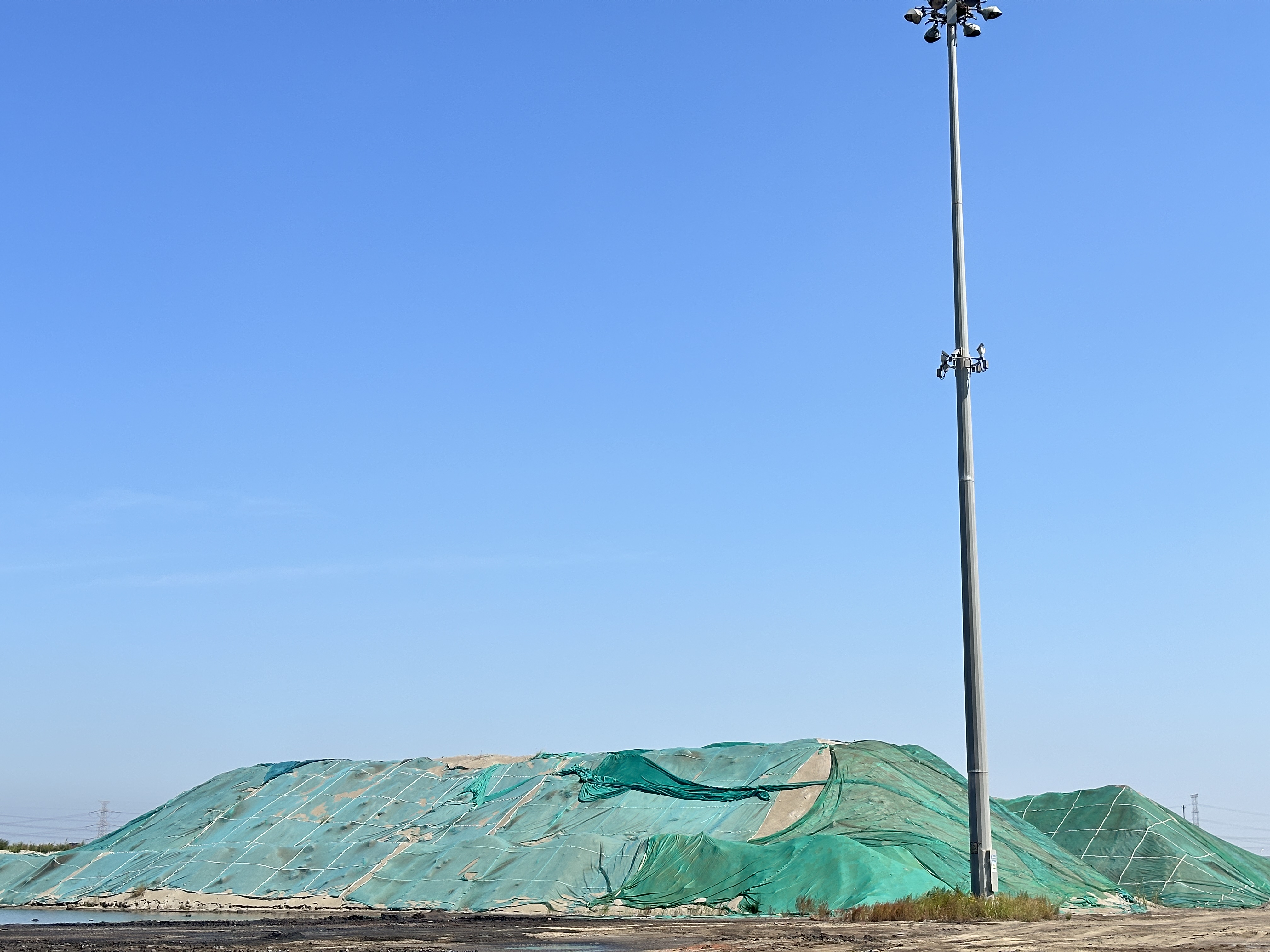
In a transaction that underlines the growing strategic importance of supplementary cementitious materials in Europe, Hoffmann Green Cement Technologies has acquired ABC Broyage, which operates a slag grinding plant in North Dordogne, France. According to industry reports, ABC Broyage will import granulated blast furnace slag via the port of La Rochelle and supply ground GBFS to Hoffmann's H1 and H2 green cement production facilities in Bournezeau. For a sector accustomed to watching Chinese or Middle Eastern demand headlines, a French acquisition focused on slag import and grinding is a notable shift in the geographic narrative.
1. The deal is small in headlines but large in market structure
Slag grinding acquisitions rarely make front-page news. Yet the structure of this deal matters. Hoffmann Green is not simply buying raw material stockpiles; it is securing domestic grinding capacity tied to an import route through La Rochelle. That combination — imported GBFS feedstock plus local processing — is the operating model that many European markets will need if they are to scale supplementary cementitious material use without relying entirely on finished GGBFS imports. For international suppliers, it means European buyers may increasingly look for raw GBFS or intermediate products that fit their own grinding networks, not only bagged finished powder.
2. Importing GBFS to France underlines European supply gaps
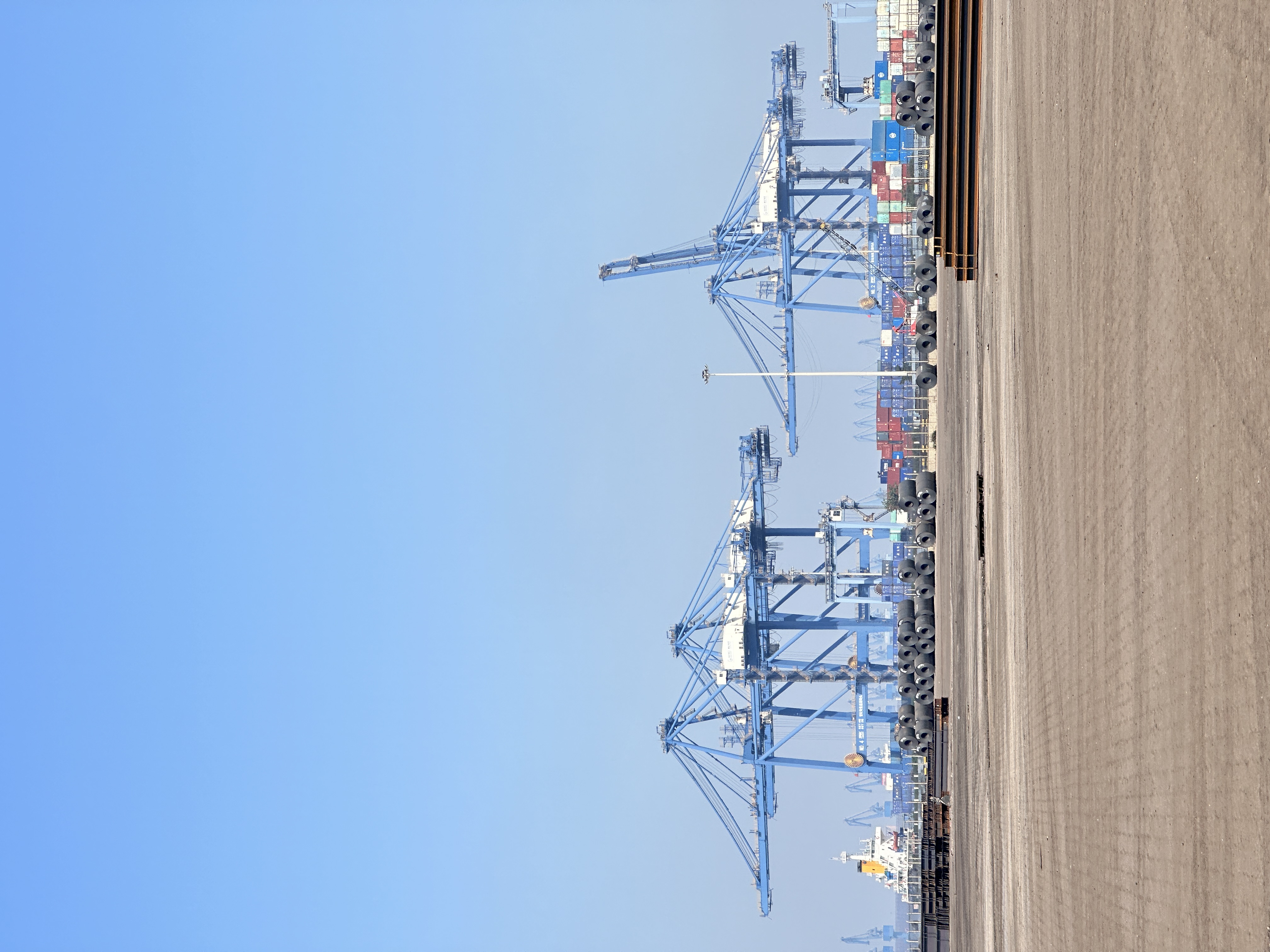
France, like several other Western European economies, no longer produces the blast furnace output that once supplied local slag processors. The decision to import GBFS via La Rochelle is therefore not a matter of price arbitrage alone; it reflects a structural absence of domestic feedstock. This is highly relevant for producers in China, India and Southeast Asia who have the capability to supply consistent GBFS in bulk. As European green building regulations tighten and cement producers seek lower-clinker solutions, the import dependency for slag feedstock is likely to expand beyond France to other markets with limited domestic metallurgical base.
3. For SENLAN and Asian suppliers, the signal is timing and reliability
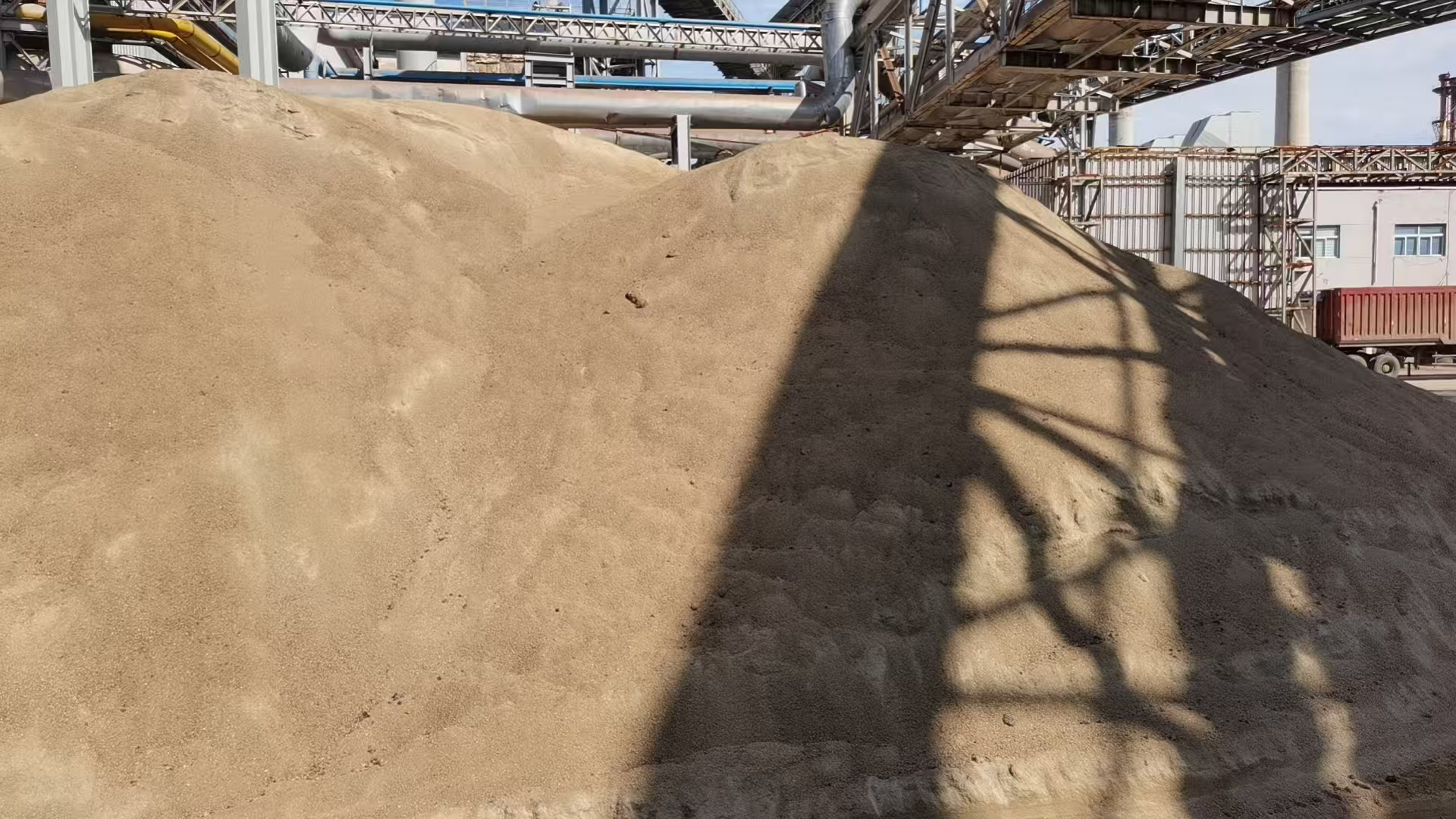
SENLAN Trading operates from Tangshan Caofeidian with direct port access and the ability to supply both GBFS bulk feedstock and finished GGBFS. The French acquisition is a reminder that European demand for slag materials is not theoretical — it is being backed by capital deployment, plant acquisitions and port commitments. For exporters in Asia, the commercial takeaway is twofold: first, product consistency and chemical specification documentation matter more when the buyer is feeding a grinding plant rather than simply reselling bags; second, logistics reliability — loading rate, port discipline, laycan adherence — becomes part of the product value because any interruption in the import chain affects the grinding plant's output schedule and the green cement plants downstream.
The bottom line is that European green cement expansion is creating tangible import demand for GBFS. Suppliers who can combine material quality with predictable execution are likely to find their relevance rising in markets that previously seemed distant. The La Rochelle route may be just one early signal of a broader trend.
一桩凸显欧洲补充胶凝材料战略重要性日益上升的交易中,Hoffmann Green Cement Technologies 收购了在法国北多尔多涅运营矿渣粉磨厂的 ABC Broyage。据行业报道,ABC Broyage 将通过拉罗谢尔港进口粒化高炉矿渣(GBFS),并向 Hoffmann 位于 Bournezeau 的 H1、H2 绿色水泥生产设施供应粉磨后的矿渣粉。对于一个习惯了关注中国或中东需求头条的行业来说,一笔聚焦于矿渣进口与粉磨的法国收购案,标志着地域叙事的显著转变。
1. 标题不大,但对市场结构意义不小
矿渣粉磨厂的收购案很少登上头条。但这次交易的结构值得关注。Hoffmann Green 并不是在简单地买下原材料库存,而是在通过拉罗谢尔进口路线锁定本土粉磨产能。这种“进口 GBFS 原料 + 本地加工”的组合,正是许多欧洲市场如果要扩大补充胶凝材料使用规模、同时又不完全依赖成品 GGBFS 进口的话,所需要的运营模式。对国际供应商而言,这意味着欧洲买家可能越来越多地寻找适合其自有粉磨网络的原料 GBFS 或中间产品,而不仅仅是袋装成品粉。
2. 向法国进口 GBFS,折射出欧洲本土供应缺口
法国与若干其他西欧经济体一样,已不再拥有过去曾为本地矿渣加工厂提供原料的炼铁高炉产出。因此,通过拉罗谢尔进口 GBFS 的决定,并不只是价格套利的问题;它反映了本土原料结构性缺失的现实。这对中国、印度及东南亚等地有能力稳定供应大宗 GBFS 的生产商来说,高度相关。随着欧洲绿色建筑法规收紧、水泥企业寻求更低熟料含量的解决方案,对矿渣原料的进口依赖很可能从法国扩展到其他冶金基础薄弱的欧洲市场。
3. 对森蓝及亚洲供应商而言,信号在于时机与可靠性
森蓝贸易在唐山曹妃甸运营,拥有直通港口的优势,能够供应 GBFS 大宗原料及成品 GGBFS。法国的这项收购提醒我们:欧洲对矿渣材料的需求并非理论上的推演——它正在获得资本投入、工厂收购与港口承诺的支撑。对亚洲出口商而言,商务层面的启示有两重:第一,当买家是将原料送入粉磨厂而非简单地转售袋装产品时,产品一致性与化学成分规格文件的重要性会更高;第二,物流可靠性——装船速率、港口纪律、装期守约——会成为产品价值的一部分,因为进口链的任何中断都会影响粉磨厂的产出排程及其下游绿色水泥工厂的运行。
结论是:欧洲绿色水泥产能扩张正在为 GBFS 创造切实的进口需求。能够将材料品质与可预期的执行能力结合起来的供应商,有望在以往看似遥远的市场里获得越来越高的相关性。拉罗谢尔这条路线,或许只是更广泛趋势中的一个早期信号。