U.S. Slag Cement Shipments Hit a Record High. Why That Matters Beyond One Market
The Slag Cement Association says U.S. slag cement shipments exceeded 4 million metric tons in 2025, while blended cements containing slag rose 18%. For GBFS and GGBFS suppliers, this is more than a local headline. It shows slag-based cementitious materials are moving deeper into mainstream demand, processing investment and low-carbon procurement logic.
美国矿渣水泥发运量创历史新高:这为何不只是一个单一市场的故事
Slag Cement Association 表示,美国 2025 年矿渣水泥发运量已超过 400 万吨,同时含矿渣的掺配水泥发运量增长了 18%。对 GBFS 和 GGBFS 供应商来说,这不只是一个本地新闻,而是在说明:矿渣类胶凝材料正更深地进入主流需求、加工投资与低碳采购逻辑之中。
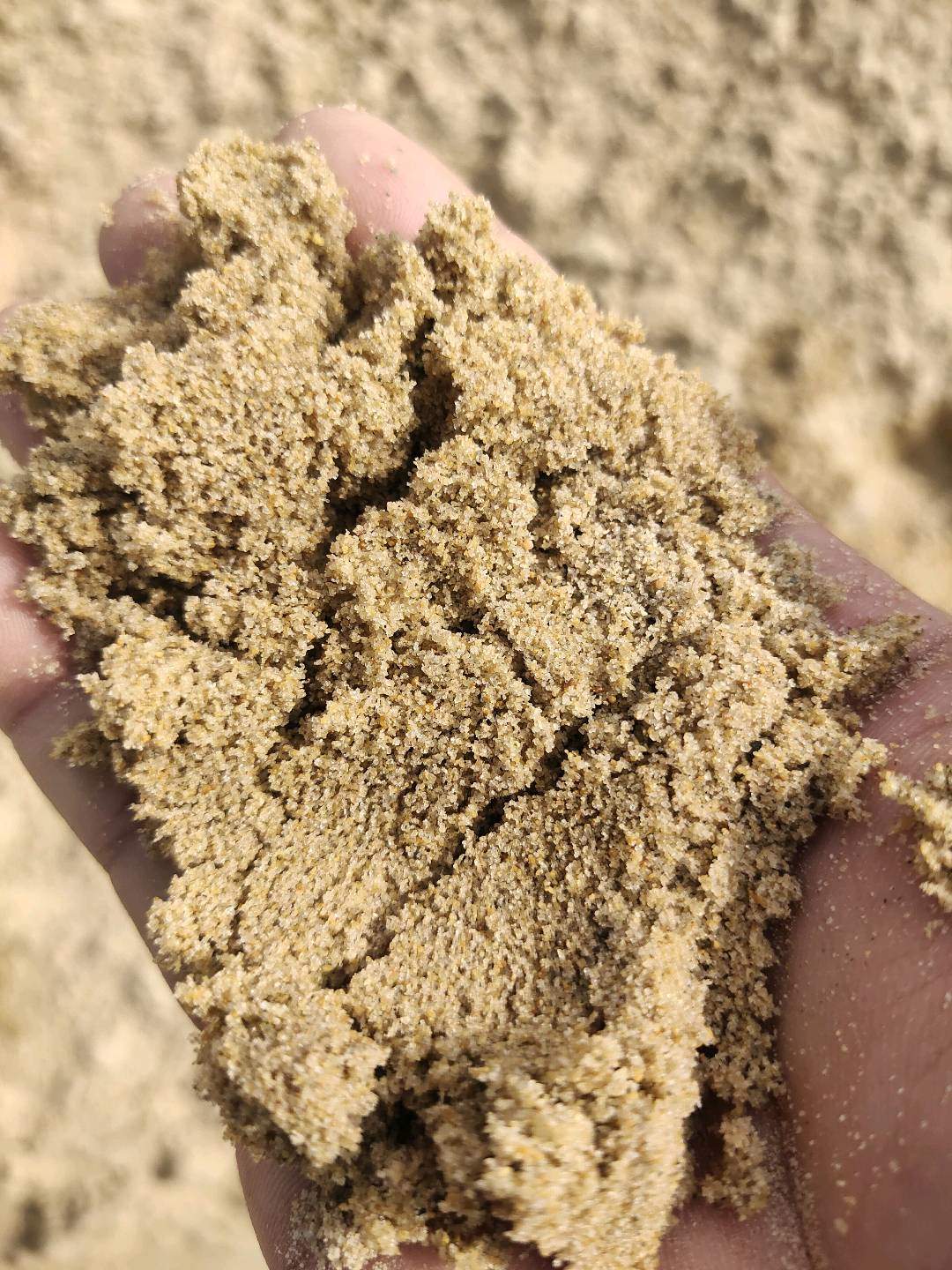
A recent U.S. industry update is worth global attention. On 12 May 2026, the Slag Cement Association said U.S. slag cement shipments reached a historic high of more than 4 million metric tons in 2025. The same release said blended cements containing slag rose 18% in 2025 and that the segment has delivered a compound annual growth rate of nearly 6% since 2020. For suppliers watching the future of GBFS and GGBFS demand, this is an important signal: mature markets are not treating slag as a temporary substitute. They are building it more deeply into mainstream cement use.
1. The record matters because it shows slag demand is becoming structural
The headline volume matters on its own, but the surrounding details matter just as much. According to the association, the year was supported by broader industry participation and stronger capacity to serve the market, not by one isolated project or one-off policy event. That is commercially important because it suggests a deeper base of recurring demand. When a market keeps expanding slag cement consumption while blended slag cements also rise, the implication is that specifiers, producers and buyers are becoming more comfortable with lower-clinker solutions at scale.
In other words, this is not just a volume statistic. It is evidence that slag is moving further into normal procurement logic for durability, performance and carbon-conscious material selection. For any supplier of cementitious materials, that is the kind of market signal worth tracking closely.
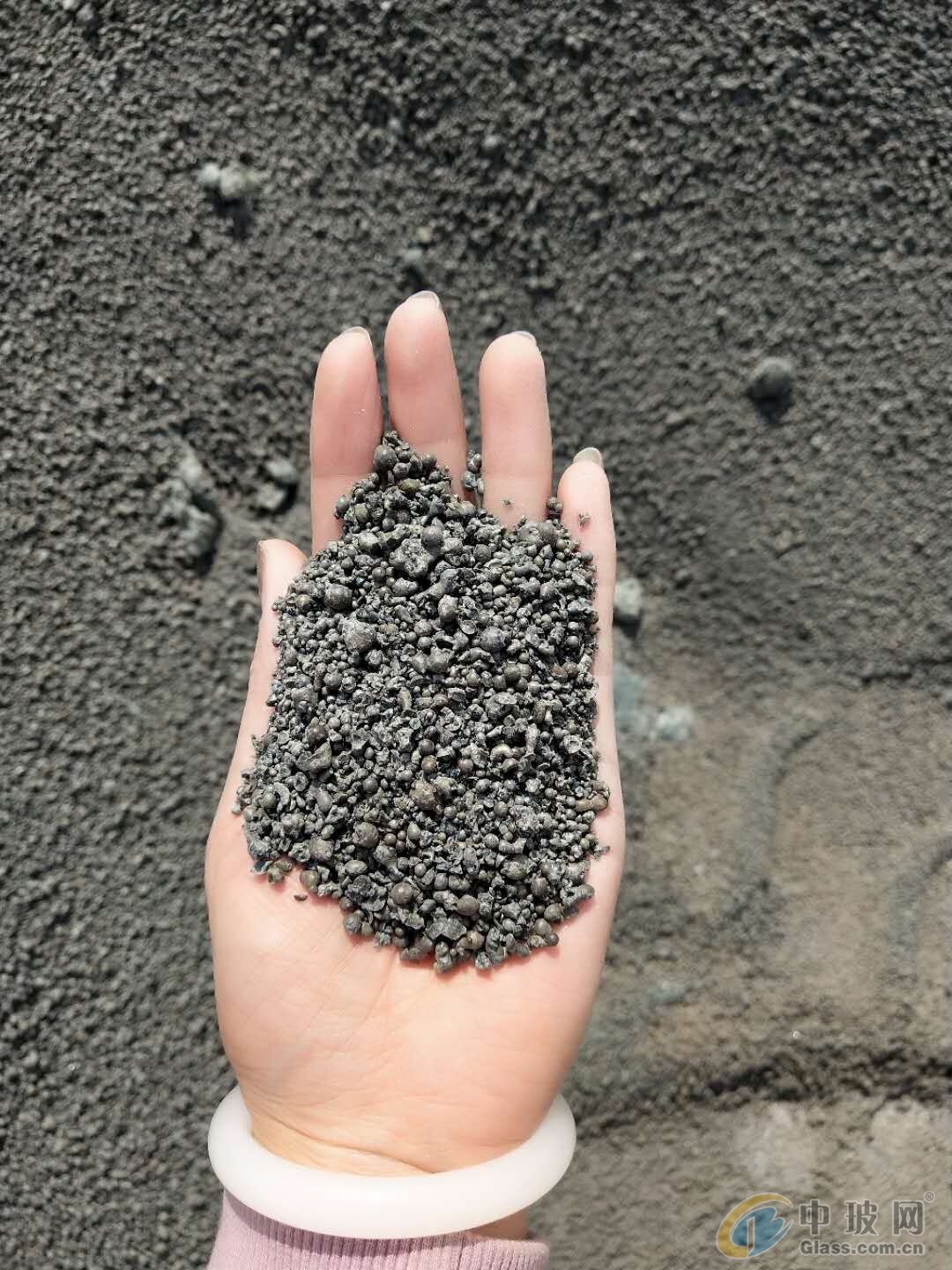
2. The bigger story is what this says about processing and market direction
A strong slag-cement market does not automatically mean direct buying from one overseas origin, but it does reshape how suppliers should read the chain. Once end-market demand becomes more established, grinding capacity, finishing capacity, logistics discipline and feedstock quality become more strategic. That is why the U.S. data matters beyond the U.S. itself. It indicates that slag-based binders are gaining a more durable place in the commercial cement system, not just in marketing language around sustainability.
For GBFS and GGBFS suppliers, this means market opportunity increasingly depends on whether they can support a professional value chain: stable chemistry, consistent fineness where relevant, clean documentation, dependable loading and realistic logistics planning. As markets mature, buyers tend to reward reliability and technical confidence, not only headline price.
3. What exporters of GBFS and GGBFS should watch next
The practical takeaway is simple. Record shipments in one advanced market strengthen the long-term case that slag-based cementitious materials are becoming mainstream where durability, embodied-carbon pressure and lifecycle value all matter. Exporters should read this as encouragement to sharpen their full trade offer: material consistency, loading flexibility, shipment timing and execution credibility. In the next phase of slag trade, the winning suppliers are less likely to be the cheapest in isolation and more likely to be the ones who make buyers feel confident from sampling to discharge.
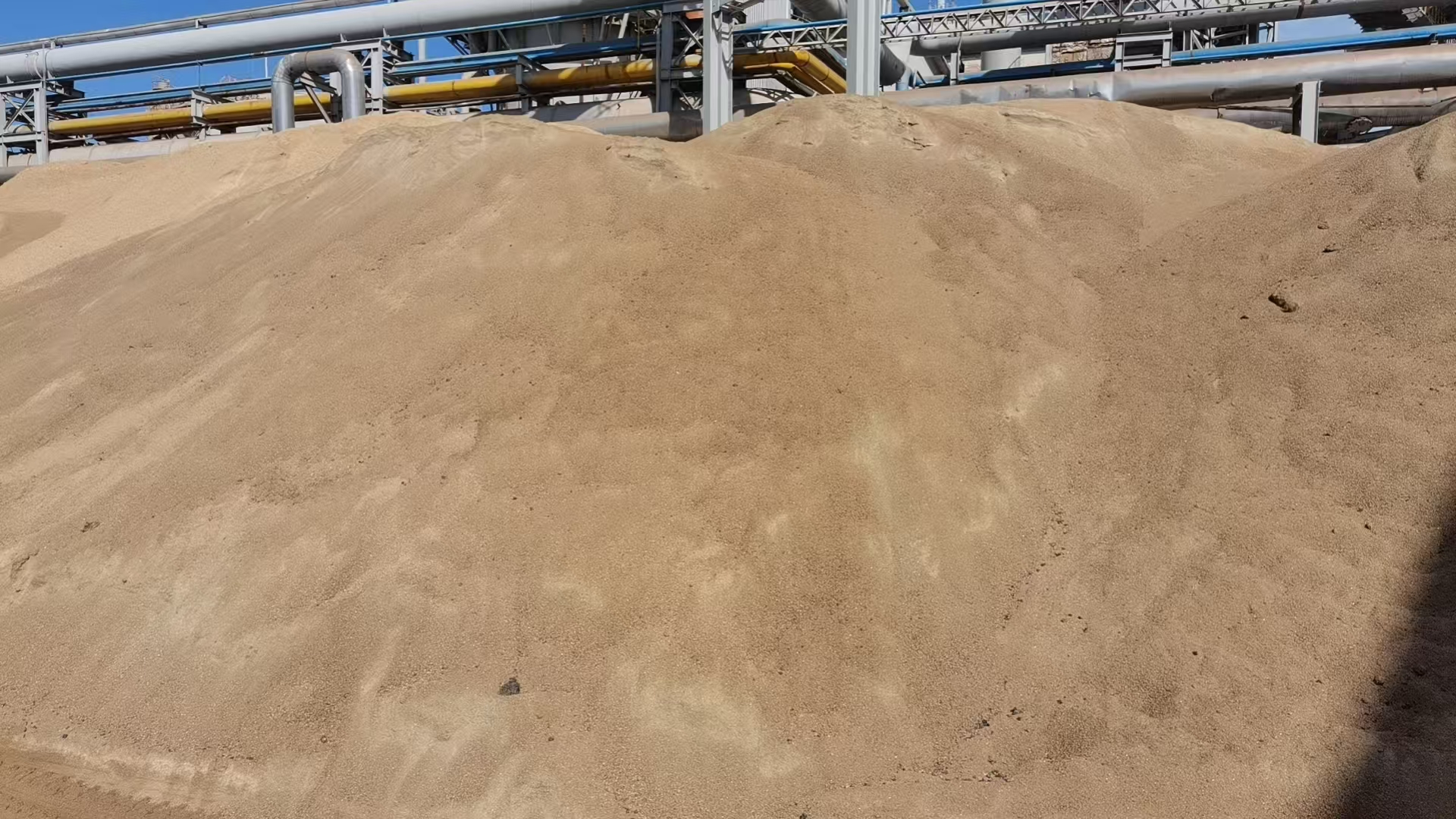
For SENLAN Trading, the lesson is clear: demand stories are becoming more favorable for slag-based materials, but stronger demand also raises the standard for supply professionalism. The market is not only asking whether slag is available. It is asking who can supply it with the consistency and execution that serious projects require.
最近一条来自美国的行业动态,值得全球矿渣供应链关注。2026 年 5 月 12 日,Slag Cement Association 表示,美国 2025 年矿渣水泥发运量创下历史新高,已超过 400 万吨。该机构同时表示,含矿渣的掺配水泥在 2025 年增长了 18%,而这一板块自 2020 年以来的复合年增长率接近 6%。对关注 GBFS 和 GGBFS 需求前景的供应商来说,这是一个很重要的信号:成熟市场并没有把矿渣当成短期替代品,而是在把它更深地纳入主流水泥使用体系。
1. 这项纪录的意义,在于它说明矿渣需求正在变成结构性需求
单看这个发运量已经很有分量,但周边细节同样关键。按照该协会的说法,这一增长背后是更广泛的行业参与和更强的市场服务能力,而不是由某一个孤立项目或一次性政策推动。它在商业上很重要,因为这意味着需求基础更深、更可持续。当一个市场在矿渣水泥发运量创新高的同时,含矿渣掺配水泥也继续明显增长,就说明设计方、生产方和买方,正在更放心地把低熟料方案用于规模化应用。
换句话说,这不只是一个体量数字,而是在证明矿渣正在进一步进入“正常采购逻辑”——无论是耐久性、使用性能,还是低碳导向的材料选择。对任何胶凝材料供应商来说,这类市场信号都值得持续盯住。
2. 更大的故事,在于它说明加工能力和市场方向正在变化
一个强劲的矿渣水泥市场,并不自动等于会直接从某一个海外产地大量采购,但它会改变供应商理解整条链路的方式。一旦终端需求逐步稳定,粉磨能力、后处理能力、物流纪律以及原料稳定性,都会变得更具战略性。这正是为什么美国这组数据不只对美国自己有意义。它说明矿渣类胶凝材料正在商业水泥体系中占据更持久的位置,而不仅仅停留在“可持续”的营销话语层面。
对 GBFS 和 GGBFS 供应商来说,这意味着未来的市场机会越来越取决于能否支撑一条专业化价值链:化学成分稳定、细度可控、单证清晰、装运可靠、物流安排现实。随着市场成熟,买家通常更愿意为可靠性和技术把握买单,而不只是盯住表面最低价。
3. GBFS 与 GGBFS 出口商接下来该关注什么
最实际的结论其实很简单:一个先进市场里的发运纪录,会进一步强化矿渣类胶凝材料的长期主流化逻辑,尤其是在耐久性、隐含碳压力和全生命周期价值都越来越重要的背景下。出口商应该把它读成一个信号:需要继续打磨自己的完整贸易方案,包括材料一致性、装载灵活性、发运时效与执行可信度。下一阶段的矿渣贸易,真正更容易赢单的,未必是单看 FOB 最低的,而更可能是那些能让买家从取样到卸港都更放心的供应商。
对森蓝贸易来说,这条信息也很明确:矿渣类材料的需求叙事正在变得更友好,但需求增强的同时,也在抬高供应专业度的门槛。市场问的已经不只是“有没有矿渣”,而是“谁能把矿渣稳定、规范、可信地交付出来”。