Vietnam’s Cement and Clinker Exports Are Rebounding. Why That Matters for Regional Trade Competition
Vietnam exported 3.4Mt of cement and clinker in April 2026, while its reduced clinker export duty remains in place through the end of 2026. For regional suppliers of cementitious materials, that combination signals that Southeast Asia will stay commercially active, price-aware and highly sensitive to delivered-cost competition.
越南水泥与熟料出口正在回升:这为何会影响区域贸易竞争
2026 年 4 月,越南出口了 340 万吨水泥和熟料,同时较低的熟料出口税将持续至 2026 年底。对区域胶凝材料供应商来说,这一组合信号意味着:东南亚出口市场仍将保持活跃、价格敏感,并高度受制于到岸成本竞争。
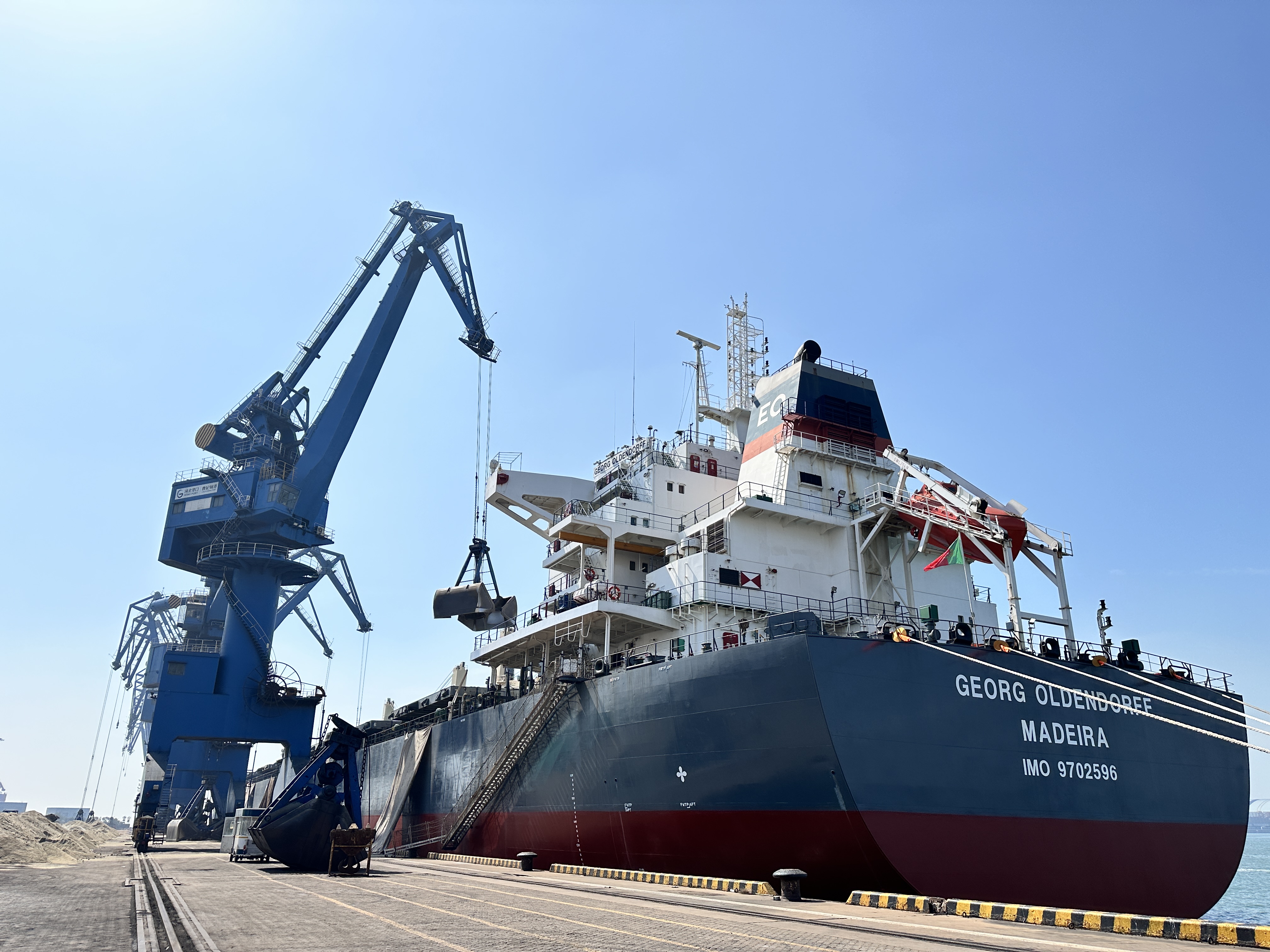
One short trade update can say a lot about regional competition. Global Cement reported that Vietnam exported 3.4Mt of cement and clinker worth US$132m in April 2026, up 15% in volume and 18% in value year-on-year. At the same time, Vietnam’s reduced clinker export duty remains in effect through the end of 2026. Put together, these signals suggest that Southeast Asia is still likely to be a very active export zone for cementitious materials, with implications that go well beyond Vietnam itself.
1. The rebound matters because it confirms export intent, not just one strong month
The April result is not just a monthly spike in isolation. According to Global Cement, Vietnam’s cement and clinker exports reached 13.4Mt worth US$492m in the first four months of 2026, up 20% year-on-year in both value and volume. That matters because it shows export channels are still moving at scale. For buyers around Asia, the Middle East and other reachable lanes, this reinforces the idea that Vietnam remains a serious seaborne source whenever freight and destination economics line up.
Policy is part of that picture. Vietnam News reported that the country’s clinker export duty was cut to 5% and will stay at that level through 31 December 2026, before returning to 10% afterward. For the market, this does not guarantee unlimited cheap cargo, but it does show that the export channel is still being supported rather than discouraged. That alone can shape buyer expectations and seller behavior across competing origins.
2. Regional competition becomes more about delivered position than headline supply
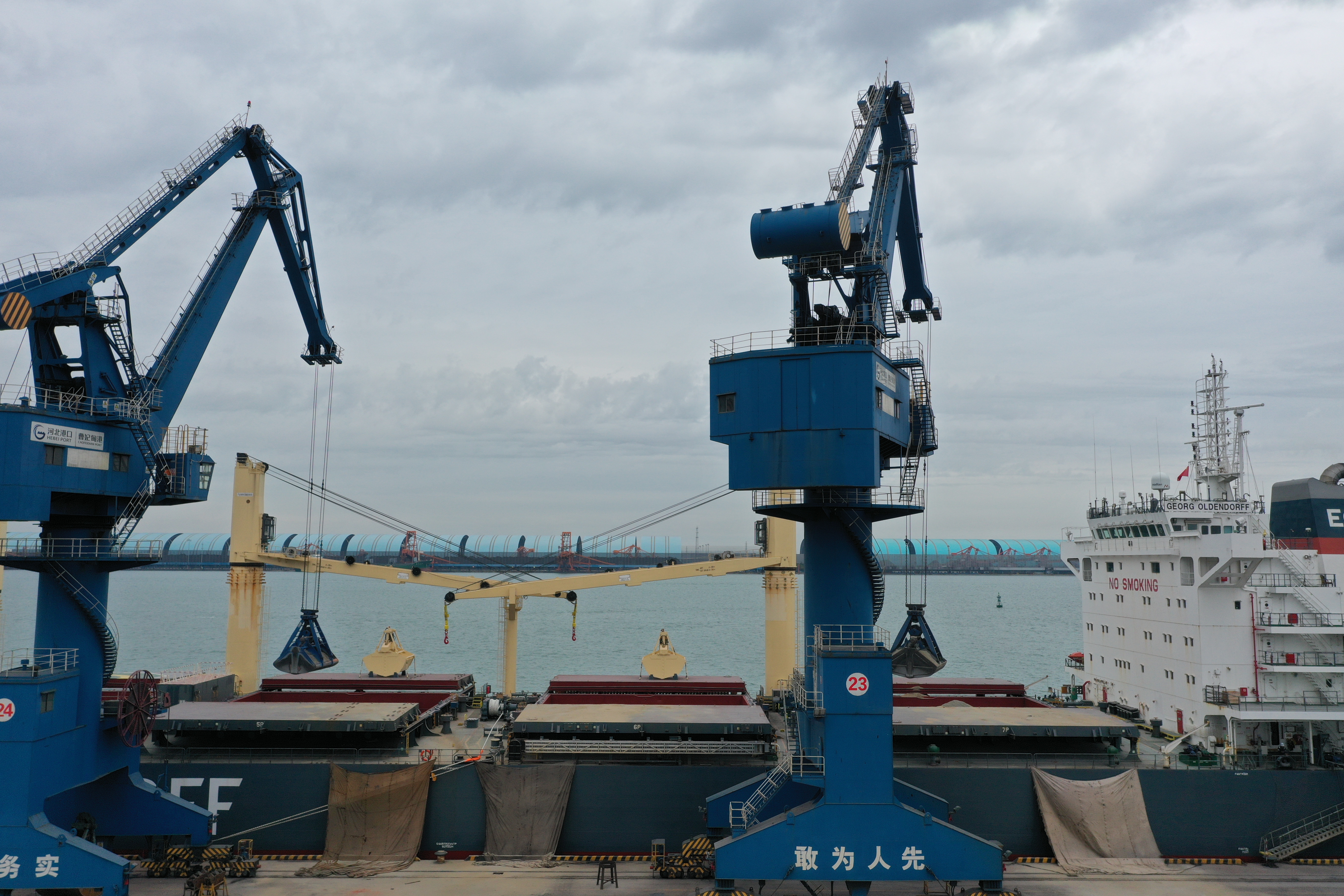
For regional trade, the practical implication is straightforward: an active Vietnamese export flow can sharpen delivered-cost competition in nearby importing markets. This matters especially in trades where buyers compare multiple origins with relatively small room for pricing error. When one major supplier keeps product moving and maintains policy support for exports, competing sellers need to think harder about freight exposure, discharge flexibility, cargo timing and the full lane offer—not just the FOB number.
That also affects how buyers negotiate. A more confident export backdrop in Southeast Asia can give importers more reference points and more leverage when testing offers from different origins. In other words, supply competition does not only happen at the production end. It also happens in who can present the cleaner landed proposition with fewer operational surprises.
3. What suppliers of slag and other cementitious materials should watch
Even if the headline is about cement and clinker, the signal matters for GBFS, GGBFS and related cementitious trades too. When regional cement and clinker export flows stay strong, they can influence vessel availability, buyer attention and the reference frame for value discussions. For suppliers of slag-based materials, this is a reminder that quality alone is not enough. Trade responsiveness, shipping realism and stable execution increasingly help determine which cargoes remain competitive when nearby alternatives are active.
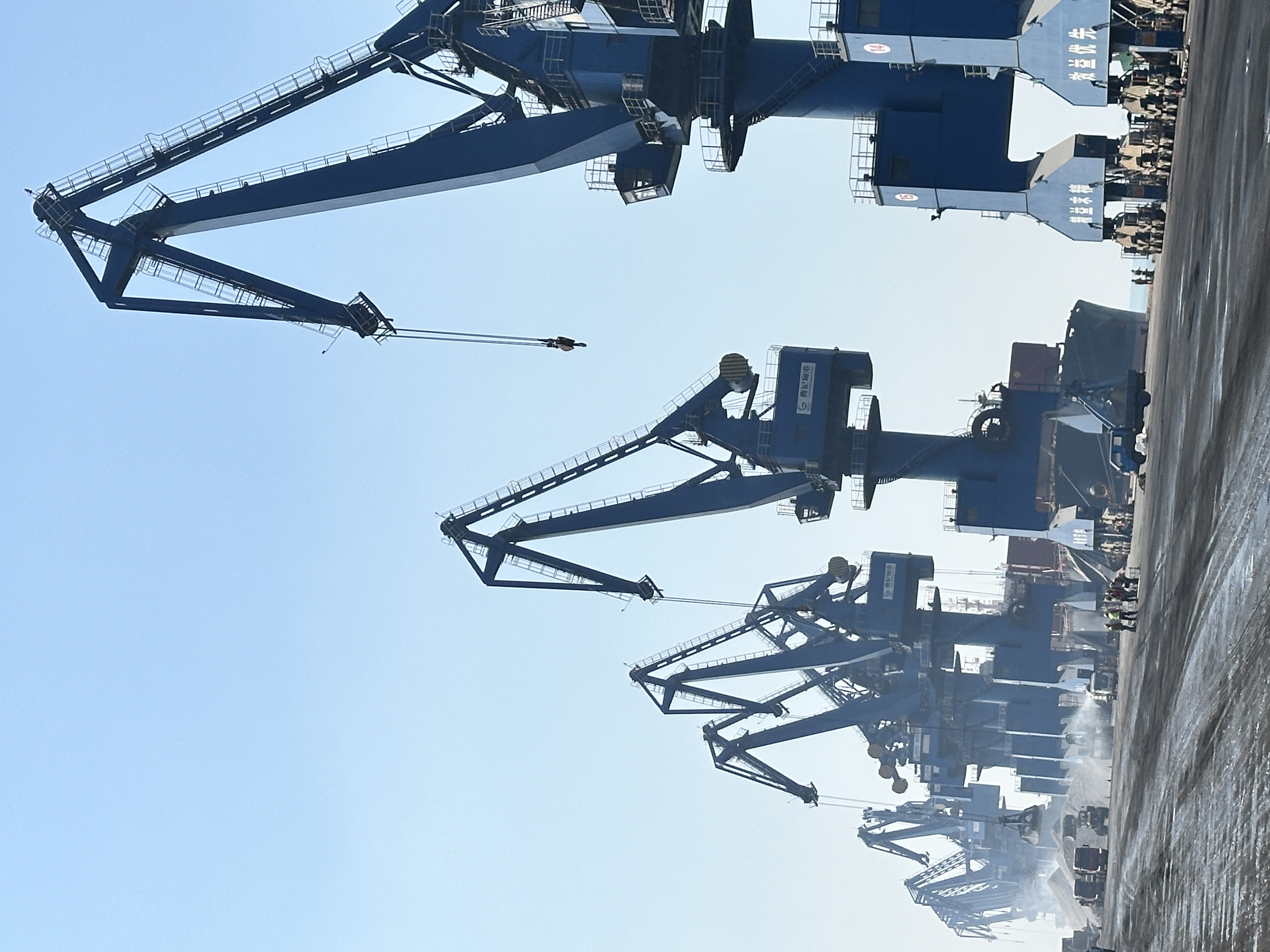
The takeaway is simple. Vietnam’s latest export rebound is not just a country story. It is a reminder that Southeast Asia remains one of the most commercially relevant supply theatres in cementitious trade. For sellers across the region, competitiveness will keep depending on the combined strength of material, freight logic and execution discipline.
有时候,一条简短的贸易新闻就足以说明区域竞争格局。Global Cement 报道称,2026 年 4 月,越南出口水泥和熟料 340 万吨,金额 1.32 亿美元,同比体量增长 15%,金额增长 18%。与此同时,越南较低的熟料出口税将持续到 2026 年底。把这两个信号放在一起看,可以看出东南亚仍很可能是一个高度活跃的胶凝材料出口区域,而且它带来的影响并不只限于越南本身。
1. 这轮回升的重要性,在于它确认了出口意图,而不只是单月表现
4 月的数据并不只是单月偶发走强。根据 Global Cement 的报道,2026 年前四个月,越南水泥和熟料出口已达 1340 万吨、金额 4.92 亿美元,体量和金额均同比增长 20%。这很重要,因为它说明出口通道仍在以较大规模运转。对于亚洲、中东以及其他可达航线上的买家来说,这进一步强化了一个判断:只要运费和目的港经济性合适,越南依然是一个不可忽视的海运供应来源。
政策也是这个画面的一部分。Vietnam News 报道称,越南已将熟料出口税降至 5%,并将持续至 2026 年 12 月 31 日,之后再恢复到 10%。对市场来说,这并不意味着一定会出现无限量的低价货源,但它确实说明:出口通道目前仍在被支持,而不是被抑制。仅这一点,就足以影响不同产地的买家预期与卖家行为。
2. 区域竞争会越来越取决于到岸位置,而不只是表面供应量
对区域贸易来说,一个最实际的含义是:当越南出口持续活跃时,周边进口市场的到岸成本竞争会变得更尖锐。尤其在那些买家会同时比较多个产地、而价格容错空间又不大的交易里,这一点会更加明显。当一个主要供应国持续把货推出去,并保持对出口相对友好的政策环境时,其他卖家就必须更认真地思考运费暴露、卸港灵活性、发运节奏以及整条航线方案,而不只是 FOB 数字本身。
这也会改变买家的谈判方式。东南亚出口环境越有信心,进口商在比较不同产地报价时就越容易获得更多参照和更强议价能力。换句话说,供应竞争并不只发生在生产端,它也发生在谁能拿出更干净、更完整、且更少执行不确定性的到岸方案上。
3. 矿渣及其他胶凝材料供应商该关注什么
即使新闻标题讲的是水泥和熟料,这个信号对 GBFS、GGBFS 以及相关胶凝材料贸易同样重要。因为当区域内的水泥和熟料出口保持强势时,它也会影响船舶资源、买家注意力,以及市场对“价值”的参照框架。对于矿渣类材料供应商来说,这提醒我们:质量本身并不够,交易响应速度、航运现实性与稳定执行能力,正越来越多地决定一票货在周边替代供应活跃时是否还能保持竞争力。
结论其实很简单:越南这轮最新出口回升,并不只是一个国家自己的故事。它再次提醒市场,东南亚仍然是胶凝材料贸易中最具商业影响力的供应舞台之一。对区域内卖家来说,竞争力将继续取决于材料本身、运费逻辑与执行纪律三者的组合强度。