Hormuz Is Reopening, but Bulk Materials Trade Still Looks Like an Execution Business
Traffic is starting to move again through the Strait of Hormuz, but temporary routing, vessel queues and continuing security caution mean Gulf-bound cementitious cargoes still need disciplined scheduling rather than optimistic assumptions.
霍尔木兹海峡正在重开,但大宗建材贸易仍然是一门“执行生意”
霍尔木兹海峡已经出现恢复通行的信号,但在临时航道、船舶积压和安全谨慎情绪仍未消退的背景下,面向海湾市场的胶凝材料货盘,依然更需要严谨排船和执行,而不是过度乐观的判断。
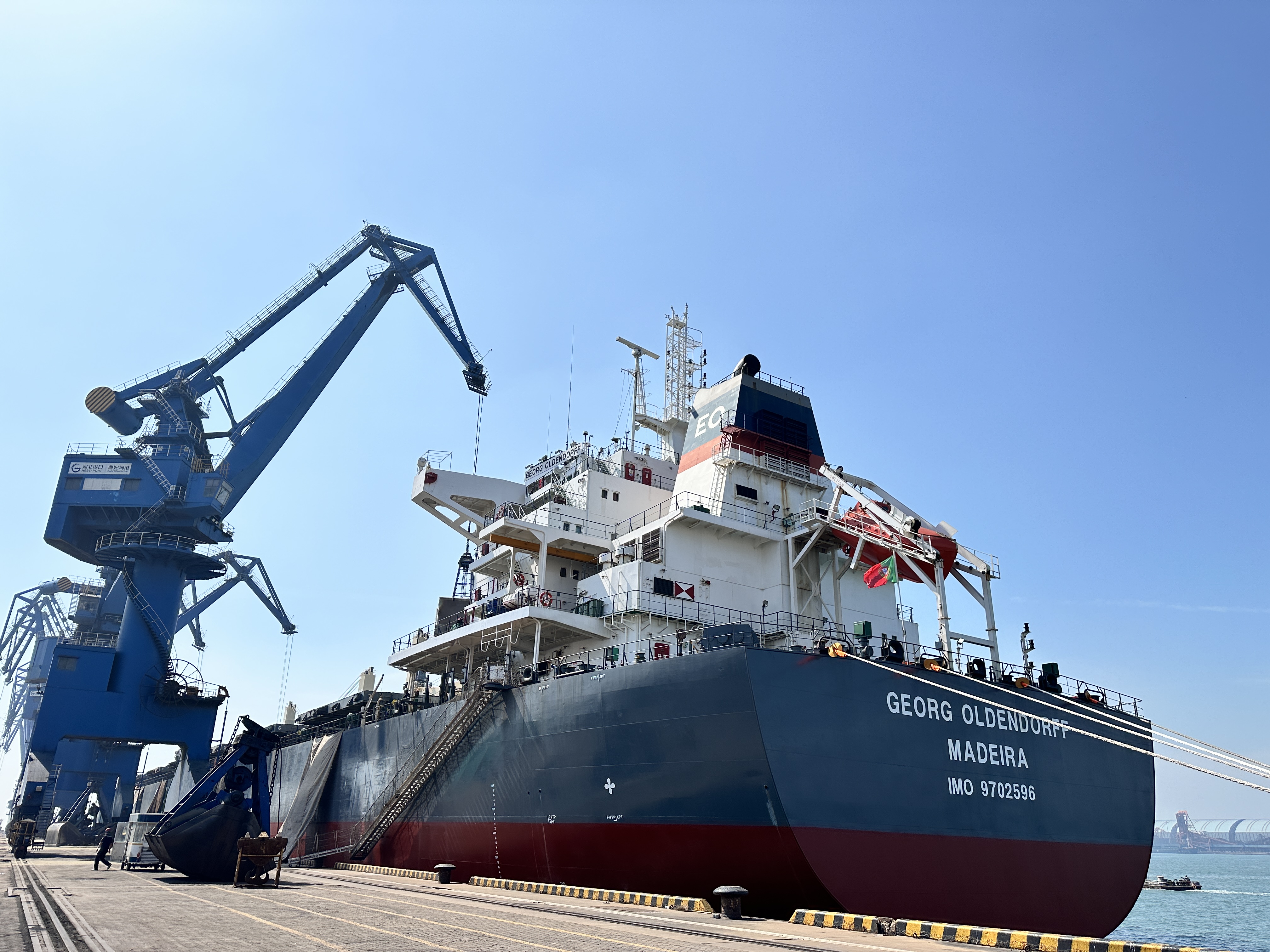
Recent maritime reporting offers a useful reality check for bulk-material exporters. Reuters-reported ship tracking showed that dry bulk vessels had started leaving the Strait of Hormuz under a U.N.-backed evacuation framework, with temporary northern and southern tracks guiding departures. At the same time, shipping groups including Bimco, Vanguard and the ITF warned that reopening should still be treated as managed, conditional and potentially slow. In practical terms, the corridor is moving again, but it is not yet moving like a normal commercial lane.
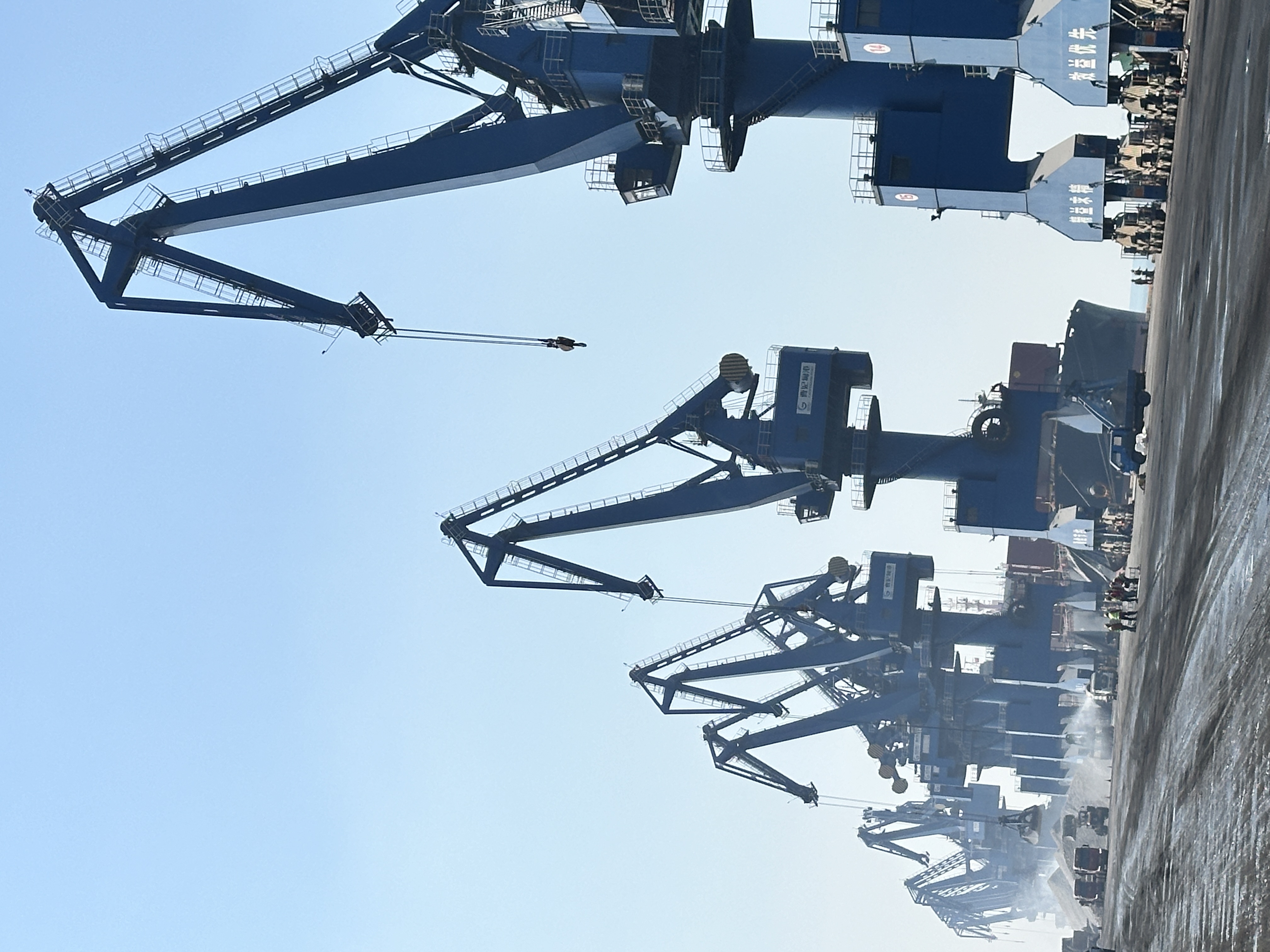
1. Reopening helps sentiment, but it does not erase the operational queue
The most important signal is that ships are moving again, but under controlled conditions. Reports pointed to dozens of smaller vessels preparing to transit while hundreds of ships remained stranded inside the Gulf. That means a backlog still exists, and not every cargo will regain scheduling flexibility at the same speed. For bulk materials, this matters because freight availability is shaped by actual vessel release, route confidence and sequencing discipline, not by headlines alone.
In other words, exporters should be careful not to read “reopening” as “normalization.” A corridor can reopen while still carrying queue risk, insurance caution and waiting-time uncertainty. Those are exactly the conditions that can squeeze lower-value-per-ton cargoes such as cementitious materials.
2. Gulf-linked cement and clinker cargoes may need tighter laycan and berth discipline
For sellers into Gulf-facing routes, the commercial consequence is straightforward: a workable cargo is one that creates fewer surprises. Clear laycan management, confirmed loading windows, realistic discharge assumptions and faster document readiness all become more valuable when shipowners are still weighing route safety and traffic management. If a cargo is operationally easier to place, it stands a better chance of moving smoothly through a cautious market.
That is especially relevant for clinker, GBFS and GGBFS flows where freight and delay costs can quickly eat into the trade margin. When uncertainty persists, execution quality becomes part of price competitiveness.
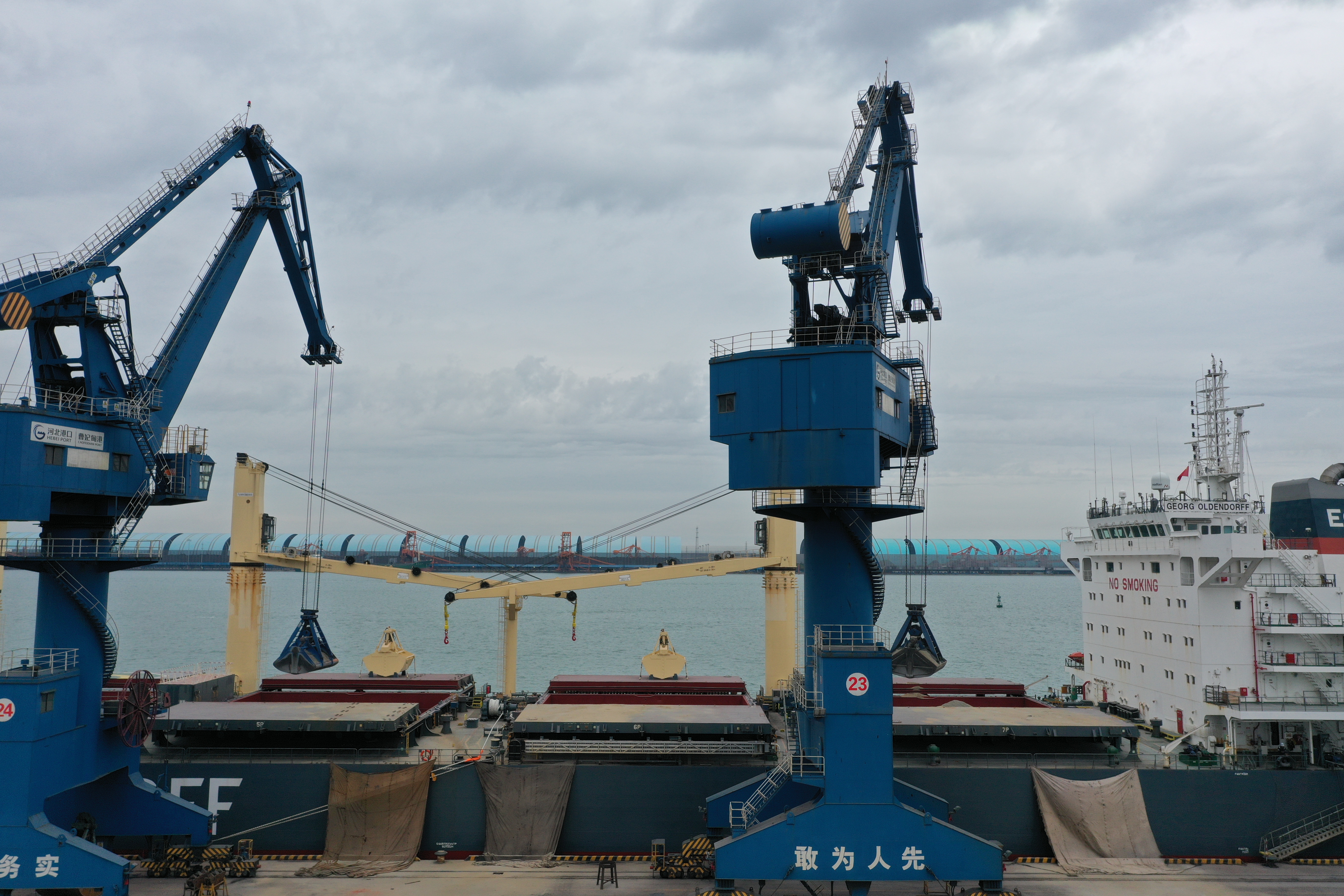
3. The safer trade view is selective optimism, not full-speed assumptions
There is genuine improvement in the fact that dry bulk ships have resumed movement. But the better interpretation for trade planning is selective optimism. Routing is still temporary, safety assessments still matter and vessel movements may still be paused or reprioritized. That means sellers should plan around controllable variables: stockyard readiness, cargo assembly pace, freight dialogue and destination coordination.
Takeaway: the Hormuz signal is better than a full shutdown, but it is not yet a return to frictionless trade. For cement, clinker and slag-related bulk cargoes, the advantage still belongs to exporters who can combine market awareness with calm operational discipline.
最近几条海事报道,对大宗建材出口商来说是一个很有价值的现实提醒。根据 Reuters 引述的船舶追踪信息,霍尔木兹海峡已经有干散货船在联合国支持的撤离框架下开始驶离,且使用的是临时设置的南北两条航道。与此同时,Bimco、Vanguard 和 ITF 等机构都提醒市场:这次重开仍应被视为“受控、附条件、而且可能偏慢”的恢复,而不是完全回到常态。换句话说,这条通道确实重新动起来了,但还没有恢复成一个完全正常的商业航道。
1. 重开能改善情绪,但并不会立刻消除操作积压
最重要的积极信号,是船舶确实重新开始移动了,但前提是仍处在受控条件之下。报道显示,已有数十艘较小型船舶准备通过海峡,但海湾内仍有数百艘船在等待。这意味着积压并没有消失,不同货盘恢复排船灵活性的速度也不会一样。对大宗建材来说,这很关键,因为真实的运费与船位可得性,取决于船舶实际放行、航线信心和通行顺序,而不是单靠新闻标题。
也就是说,出口商最好不要把“重开”直接理解成“恢复正常”。一条通道完全可能在已经重开的同时,仍然带着排队风险、保险谨慎和等待时间不确定性。而这些因素,恰恰最容易挤压像胶凝材料这样吨值相对不高的货物利润。
2. 面向海湾市场的水泥与熟料货盘,可能更需要收紧 laycan 和靠泊纪律
对面向海湾航线的卖方来说,商业含义其实很直接:越少意外的货盘,越容易在这种环境下成交。更清楚的 laycan 管理、确认过的装货窗口、更现实的卸港预期,以及更快的单证准备,在船东仍然反复评估航道安全和交通管理的阶段,会显得更有价值。如果一个货盘在操作层面更容易落地,它在谨慎市场里的通过率就会更高。
这一点对熟料、GBFS 和 GGBFS 尤其重要,因为运费和延误成本非常容易吃掉贸易利润。当不确定性还在时,执行质量本身就会变成价格竞争力的一部分。
3. 更稳妥的贸易判断,是“有选择的乐观”,而不是默认一切恢复如常
干散货船重新恢复移动,这本身是真实改善。但从贸易规划角度,更好的理解方式应该是“有选择的乐观”。因为航道安排仍是临时性的,安全评估仍然重要,船舶通行也依然可能被暂停或重新排序。这意味着,卖方更应该围绕自己可控的变量来安排:堆场准备度、集货速度、运费沟通和目的港协调。
结论:霍尔木兹海峡的这次信号,当然比“完全停摆”要好,但它还不是“零摩擦贸易”的回归。对水泥、熟料和矿渣相关散货而言,真正更占优的,仍然是那些既看得懂市场、又能把操作节奏做稳的出口商。
Explore products or discuss your inquiry.
If this Gulf shipping signal matters to your sourcing plan, you can review our product pages or contact us with quantity, target specification, loading method and discharge requirements.
Request a quote