SCM Market Growth Makes Slag Supply Execution the Differentiator
Recent SCM market signals show why low-clinker cement growth is making verified slag quality, GBFS and GGBFS processing, port readiness and shipment discipline more important for buyers.
SCM 市场增长正在让矿渣供应执行力成为差异点
近期 SCM 市场信号说明,低熟料水泥增长正在让经过验证的矿渣质量、GBFS 与 GGBFS 加工、港口准备度和发运纪律对买方更加重要。
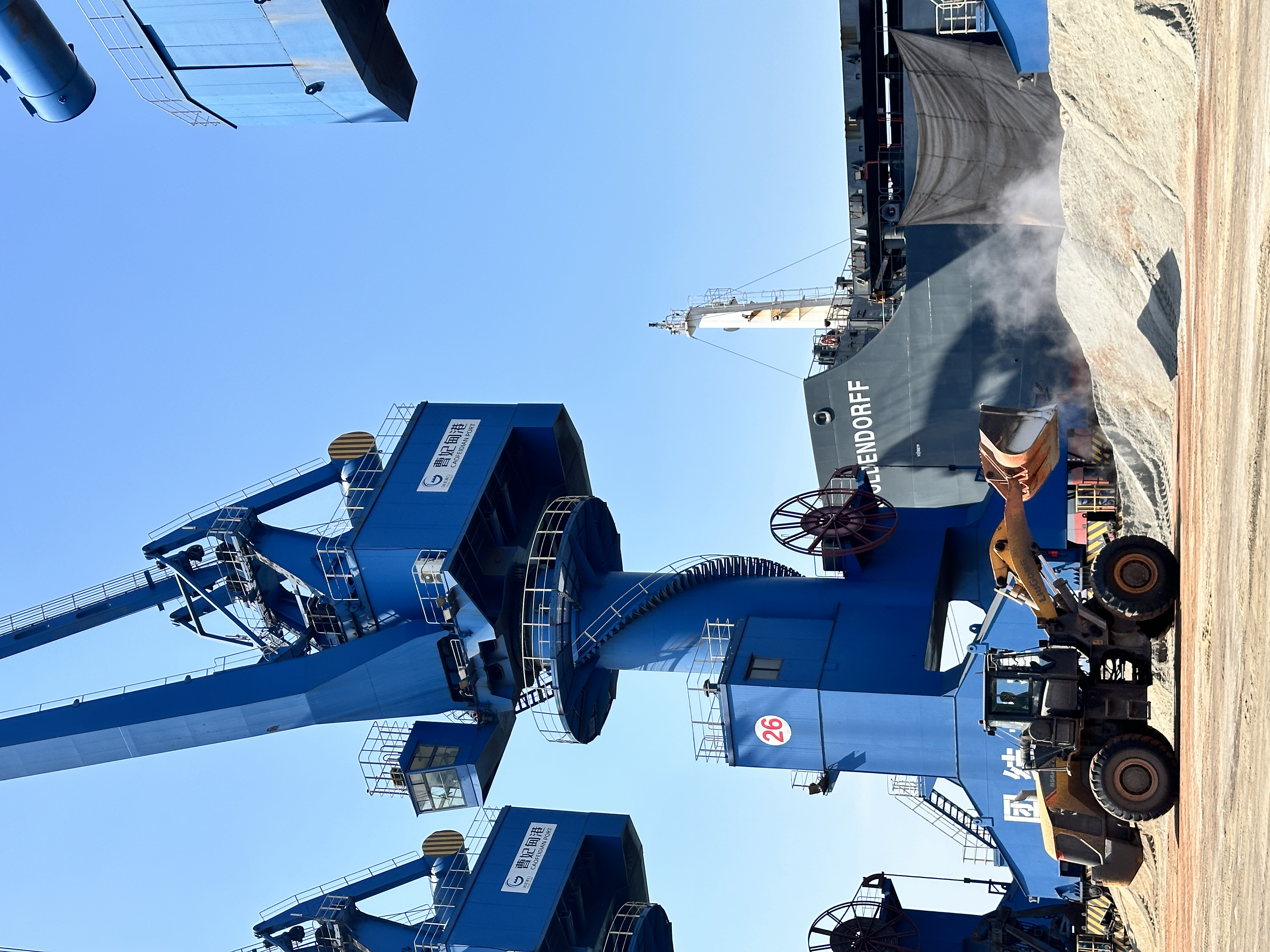
Recent market reports point to continued growth in supplementary cementitious materials, supported by low-carbon building policy, blended cement adoption and more disciplined procurement. Several market updates also keep slag in the foreground as a key SCM category. For buyers of GBFS and GGBFS, this is less a headline about market size and more a reminder that tradeable supply must be verified, processed and shipment-ready.
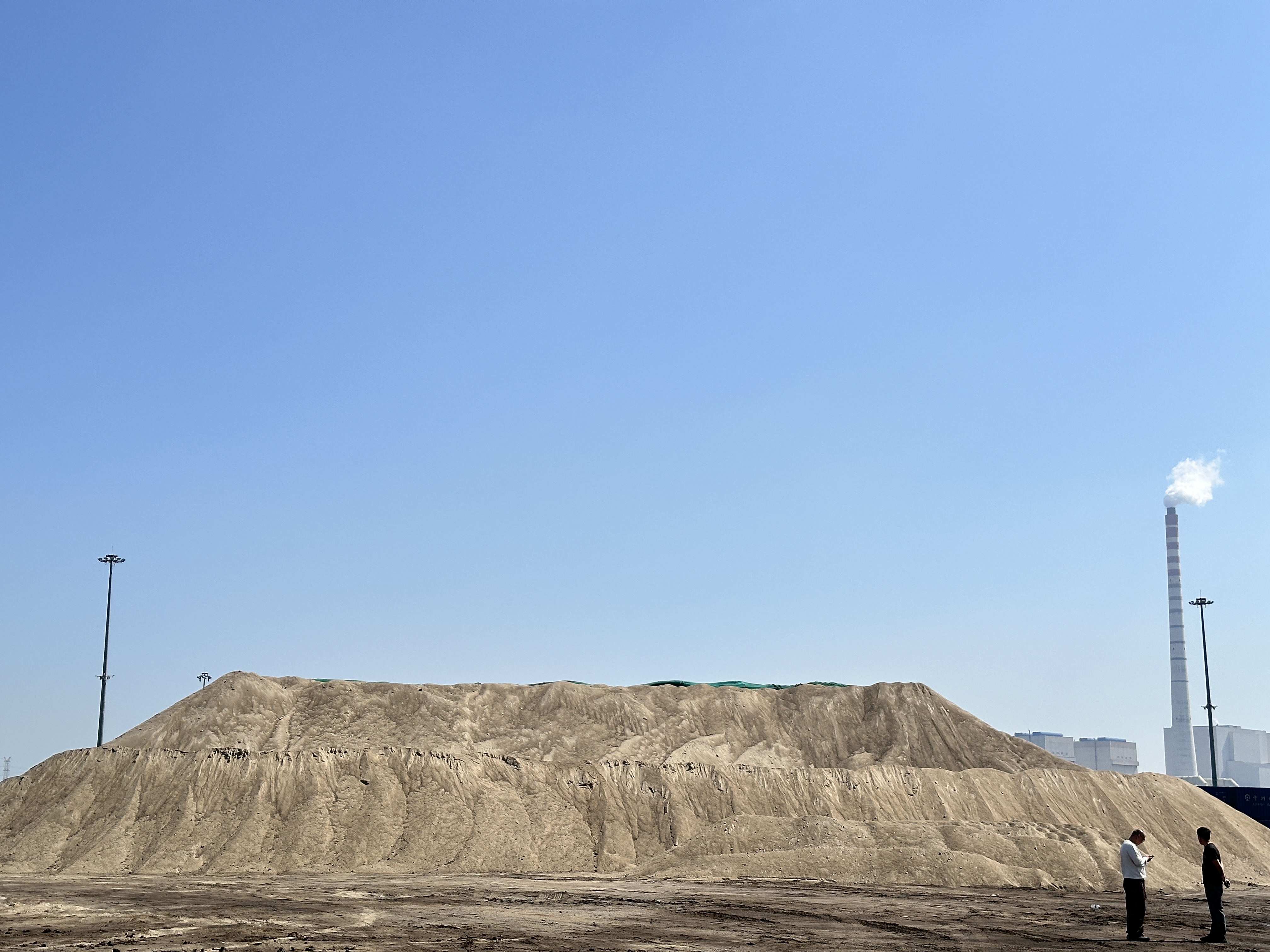
1. SCM growth is becoming a procurement reality
The demand signal behind SCMs is becoming more practical. Cement producers and concrete users are looking for ways to lower clinker factors while keeping performance dependable. That shifts purchasing discussions toward qualified materials, consistent chemistry, fineness control, packing or bulk-loading options and delivery timing.
2. Slag still needs execution, not just demand
Slag-based SCMs have a strong position because they can support durability, strength development and clinker substitution. But the value only becomes commercial when GBFS and GGBFS are matched with test reports, sampling discipline, port access, cargo protection and clear loading arrangements. This is where a supplier's operating discipline becomes part of the product offer.
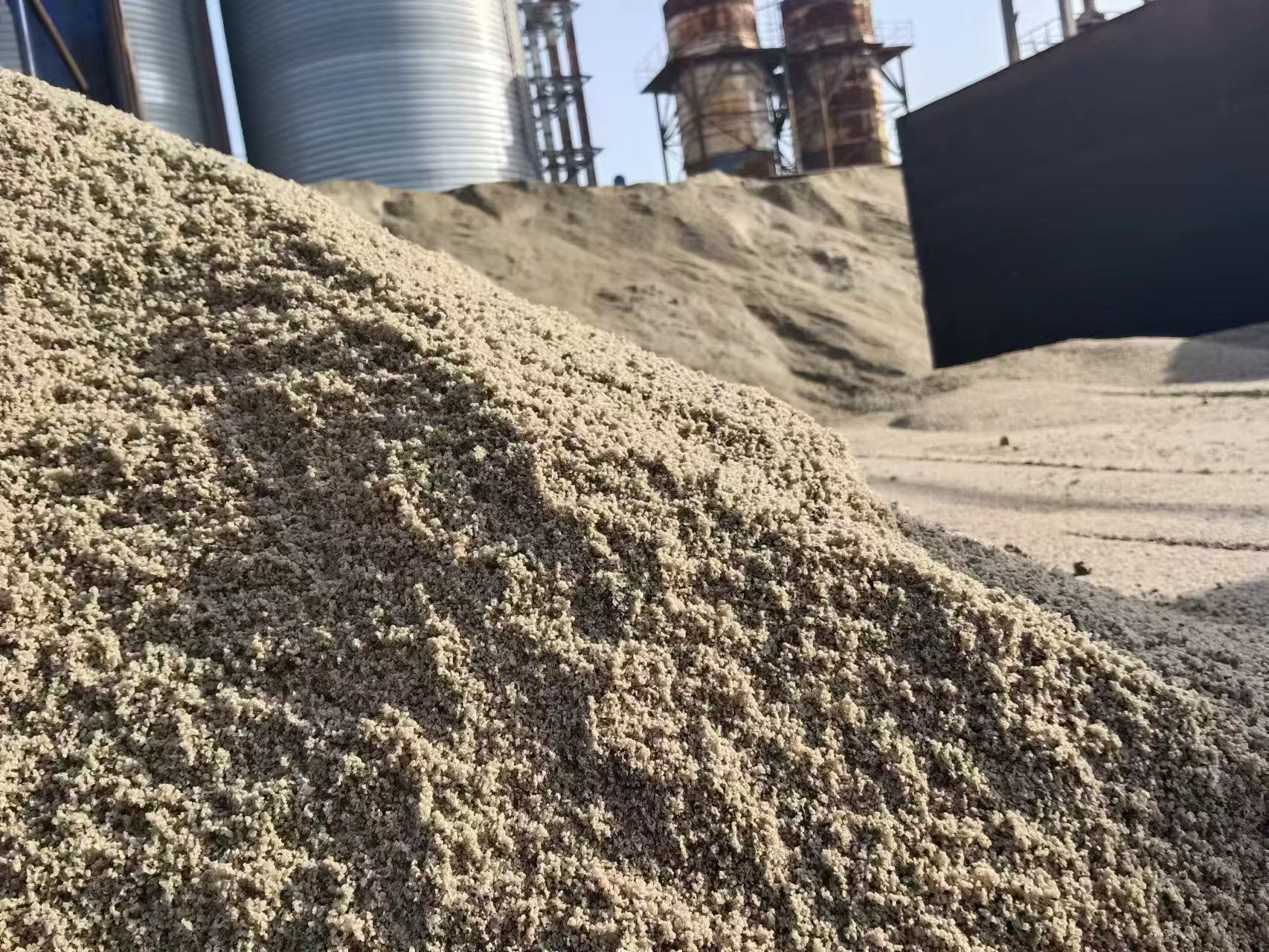
3. Port-ready supply is the differentiator
SENLAN's GBFS and GGBFS work is built around practical export execution: matching material readiness with Caofeidian Port loading, shipment planning and documentation. When buyers compare sources, the stronger offer is not simply the lowest quoted price. It is the source that can confirm specification, quantity, laycan, loading method and documents with fewer surprises.
Takeaway: SCM demand growth is positive for slag-based materials, but the winning supply chain will be the one that turns demand into inspected, documented and shipment-ready GBFS and GGBFS cargoes.
近期市场报告显示,补充性胶凝材料需求仍在增长,背后受到低碳建筑政策、混合水泥应用和更有纪律的采购行为支撑。一些市场更新也继续把矿渣放在重要 SCM 品类的位置。对 GBFS 与 GGBFS 买方来说,这不只是一个“市场规模增长”的标题,而是在提醒:真正可交易的供应,必须经过验证、加工,并具备发运准备度。
1. SCM 增长正在进入采购现实
SCM 背后的需求信号越来越实际。水泥生产商和混凝土用户正在寻找降低熟料系数、同时保持性能稳定的方法。这会把采购沟通推向合格材料、化学成分稳定性、细度控制、包装或散装方式,以及交付时间。
2. 矿渣仍然需要执行力,而不只是需求
矿渣类 SCM 具备较强位置,因为它可以支持耐久性、强度发展和熟料替代。但只有当 GBFS 与 GGBFS 配合检测报告、取样纪律、港口通达性、货物保护和清晰装载安排时,价值才会真正进入商业成交。这正是供应商运营纪律成为产品报价一部分的地方。
3. 具备港口准备度的供应才是差异点
SENLAN 的 GBFS 与 GGBFS 业务围绕实际出口执行展开:把材料准备度与曹妃甸港装载、发运计划和单证节奏结合起来。当买方比较不同来源时,更强的报价不只是最低价格,而是能够更少意外地确认规格、数量、laycan、装载方式和单证的货源。
结论:SCM 需求增长利好矿渣类材料,但真正胜出的供应链,是能把需求转化为已检验、单证清楚、可发运的 GBFS 与 GGBFS 货盘的供应链。
Planning GBFS or GGBFS procurement?
Please share target specification, quantity, destination port, packing or bulk-loading requirement, and expected shipment window so supply readiness can be checked early.
Request a quote