SCM Demand Growth Puts GBFS Port Execution Back in Focus
Recent SCM market signals show why GBFS and GGBFS supply now depends on qualified materials, port readiness and disciplined shipment planning.
SCM 需求增长让 GBFS 港口执行重新成为焦点
近期 SCM 市场信号说明,GBFS 与 GGBFS 供应越来越取决于合格材料、港口准备度和有纪律的发运规划。
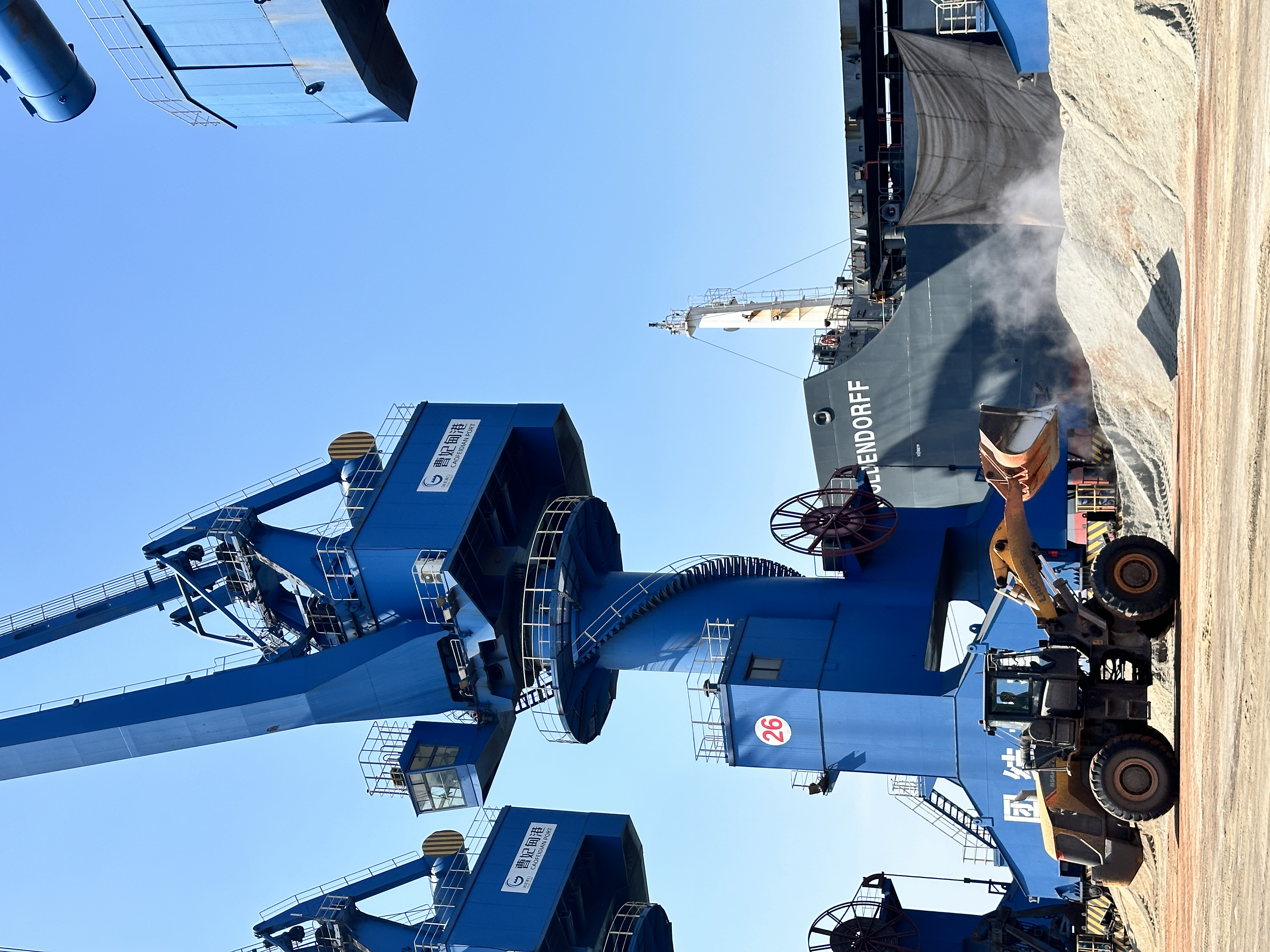
Recent market signals point in the same direction: supplementary cementitious materials are moving from a decarbonization theme into a practical procurement category. Reports on SCM market growth, low-clinker cement adoption and the search for reliable slag, fly ash and alternative binders all underline one point for buyers. Demand is growing, but supply value is created through quality control and shipment execution.
1. SCM growth is becoming a logistics question
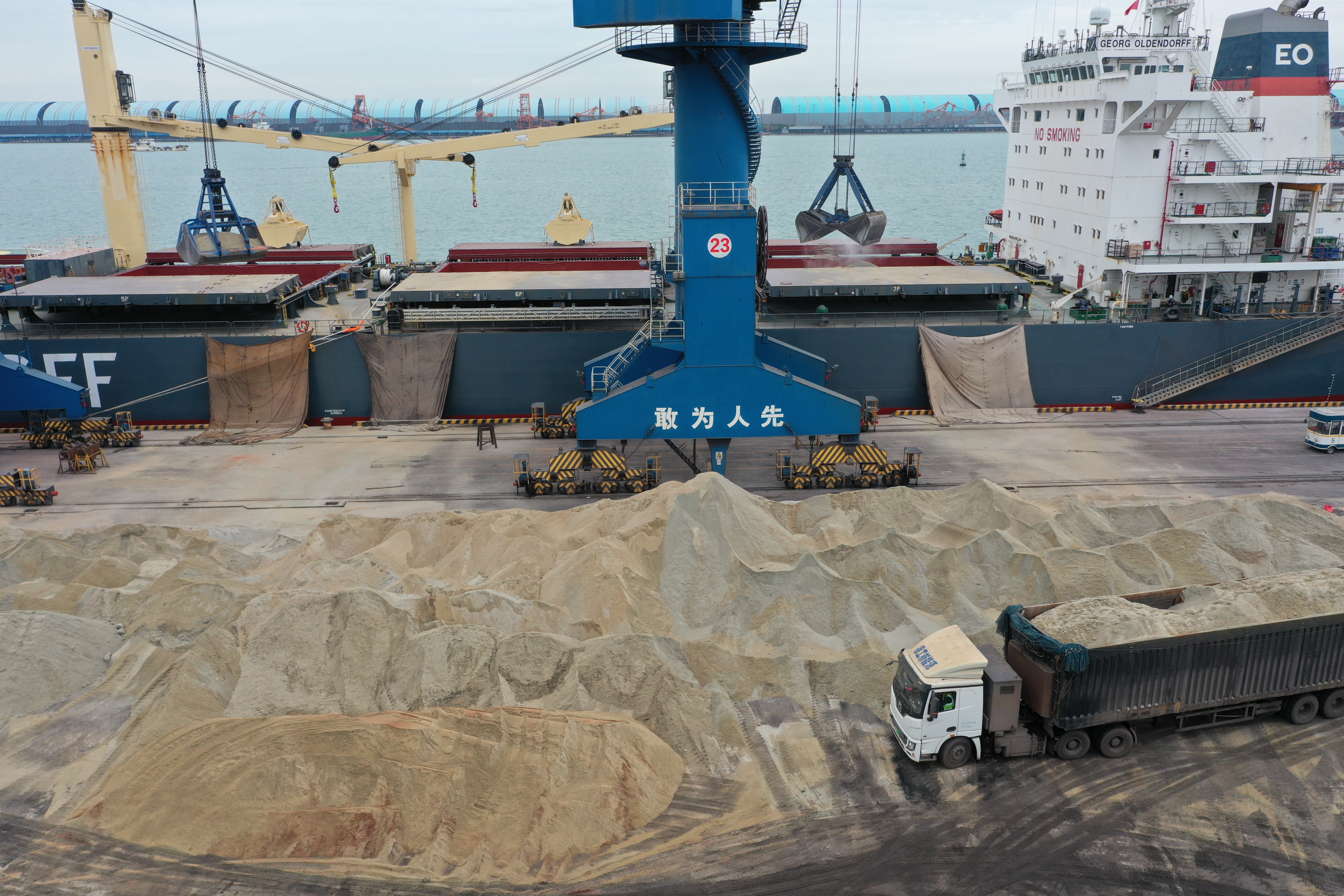
As cement producers reduce clinker factors, the need for qualified SCMs becomes more operational. A buyer does not only need a material name. They need a confirmed specification, a realistic loading window, suitable packing or bulk-loading arrangement, and export documents that match the shipment schedule.
2. Slag remains central, but availability must be managed
Slag-based materials remain important for lower-clinker cement because they combine technical performance with a clear industrial by-product story. But the market is also recognizing that usable supply is not the same as theoretical supply. Granulated slag has to be controlled, stored, inspected and moved through a port system that can support the buyer's timing.
3. Caofeidian execution gives the trade a practical anchor
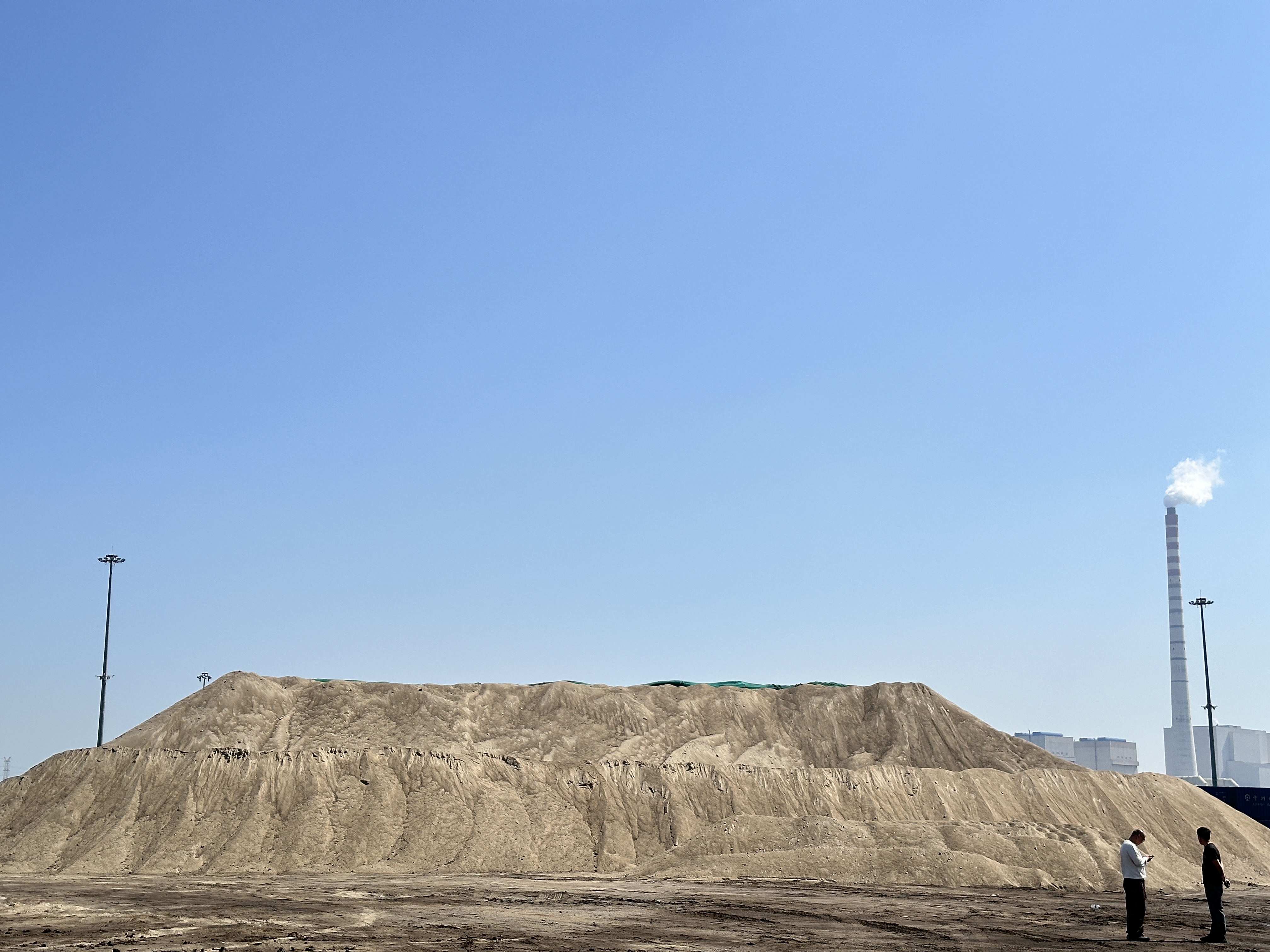
For SENLAN's GBFS and GGBFS work, the practical focus is clear: connect material readiness with port execution. Caofeidian gives the supply chain a real loading base, while early confirmation of quantity, specification, laycan and loading method helps avoid last-minute mismatches between cargo, vessel and documents.
Takeaway: SCM demand growth is positive for GBFS and GGBFS trade, but the strongest supply offers will be the ones that are ready to ship, not just ready to quote.
近期市场信号正在指向同一个方向:补充性胶凝材料已经不只是减碳概念,而是进入了真实采购。关于 SCM 市场增长、低熟料水泥应用以及可靠矿渣、粉煤灰和替代胶凝材料的讨论,都在提醒买方一件事:需求在增长,但供应价值来自质量控制和发运执行。
1. SCM 增长正在变成物流问题
随着水泥企业降低熟料系数,合格 SCM 的需求更偏向执行层面。买方需要的不只是一个材料名称,还包括已确认的规格、可操作的装船窗口、合适的散装或吨袋方案,以及能匹配发运节奏的出口单证。
2. 矿渣仍然重要,但可用供应需要管理
矿渣基材料对低熟料水泥仍然重要,因为它兼具技术性能和清晰的工业副产品属性。但市场也越来越清楚:理论供应不等于可用供应。粒化高炉矿渣需要被控制、储存、检验,并通过能够支持买方时间表的港口系统完成发运。
3. 曹妃甸执行能力让贸易有了现实支点
对 SENLAN 的 GBFS 与 GGBFS 业务来说,重点很明确:把材料准备度与港口执行连接起来。曹妃甸为供应链提供真实装货基础,而提前确认数量、规格、laycan 和装载方式,有助于避免货物、船舶和单证在最后阶段出现错配。
结论:SCM 需求增长有利于 GBFS 与 GGBFS 贸易,但最有竞争力的供应不是“可以报价”,而是“可以发运”。
Planning GBFS or GGBFS cargo?
Please share quantity, specification, discharge port, laycan and loading method so GBFS or GGBFS readiness and shipment execution can be checked together.
Request a quote