Thailand’s Clinker Substitution Milestone Puts SCM Supply in Focus
A national emissions milestone shows how clinker substitution is moving from ambition to measurable delivery—and why reliable SCM logistics matter.
泰国熟料替代里程碑让 SCM 供应成为焦点
一项国家级减排成果说明,熟料替代正从目标走向可衡量的落地,而可靠的 SCM 物流也因此更为重要。
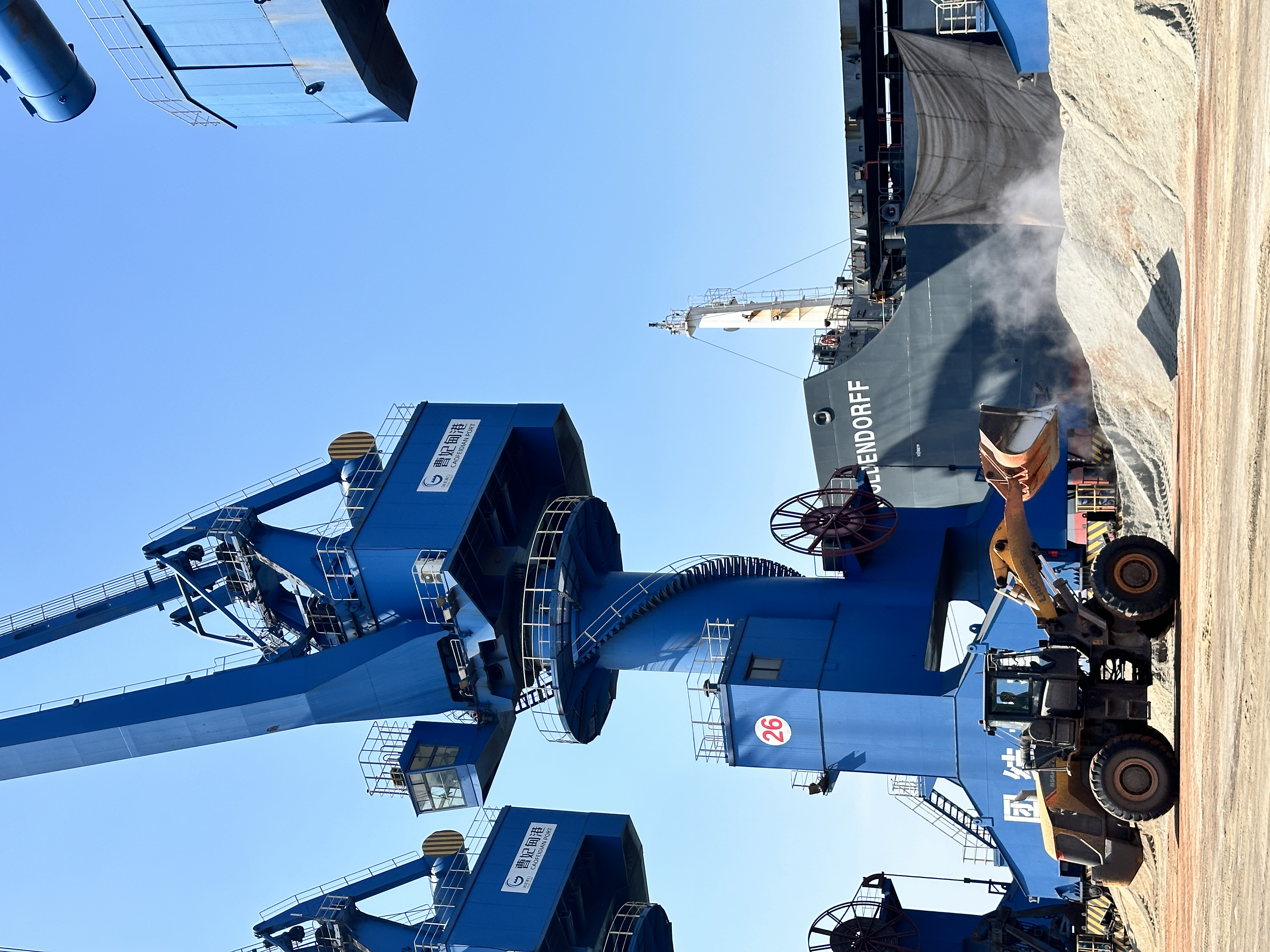
Recent industry reports say Thailand has reduced more than 3.8 million tonnes of CO₂ equivalent since 2019 through clinker substitution, reaching its national target years ahead of schedule. The result is a practical market signal: low-carbon cement is increasingly being measured through real production changes rather than future pledges.
1. A measurable signal for lower-clinker cement
The significance is not one country’s headline alone. It shows that clinker substitution can deliver measurable emissions reductions when standards, producers and procurement move together. As this approach expands, cement plants will need repeatable access to suitable SCMs rather than occasional spot availability.
2. SCM demand becomes a quality-and-logistics question
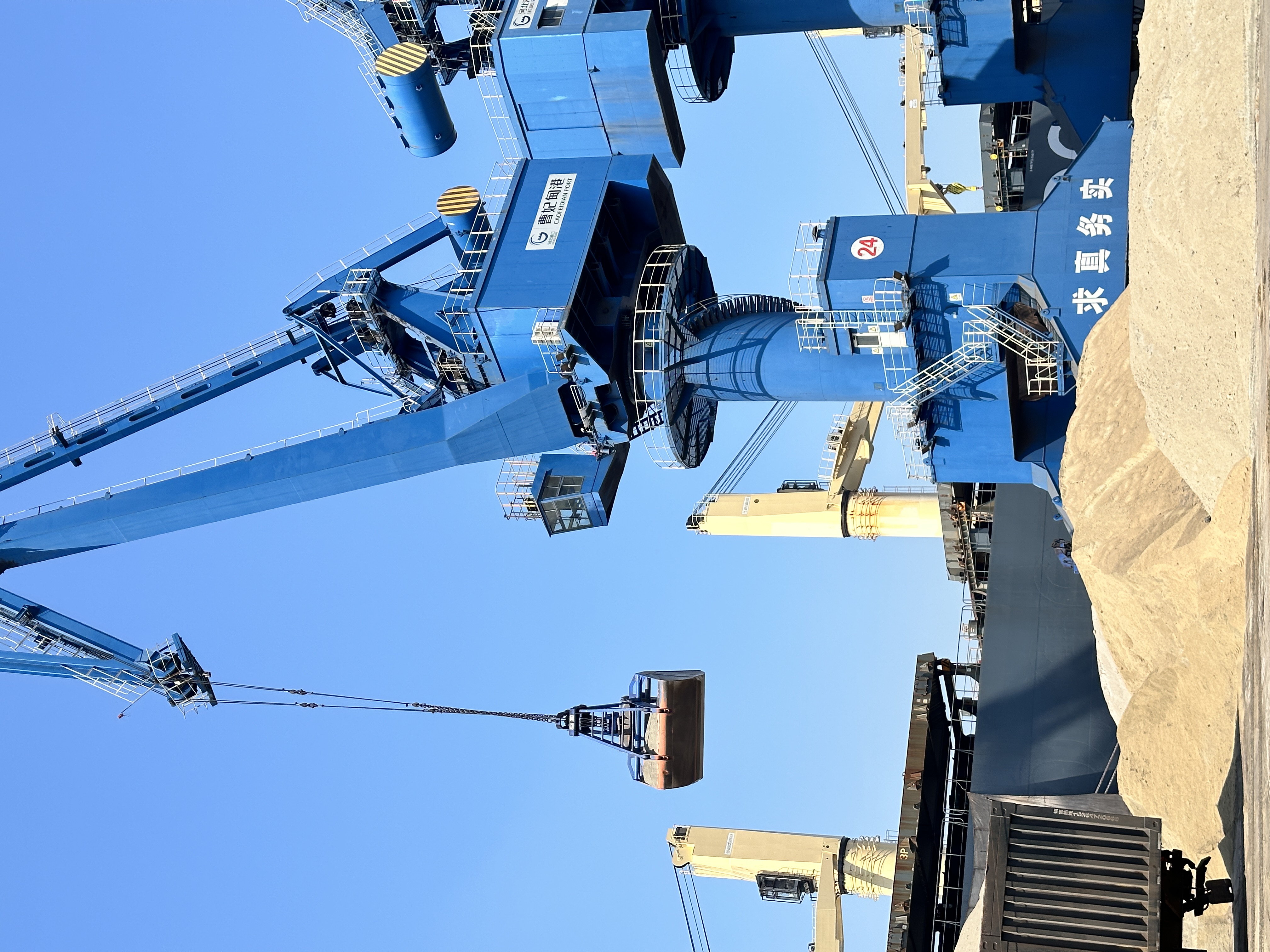
GGBFS, GBFS and other SCMs can support lower-clinker formulations, but material names alone are not enough. Buyers need specifications, inspection, stock control and shipment plans aligned with production schedules. For seaborne cargoes, quantity, discharge port, laycan, loading method and vessel fit should be confirmed early.
3. Export readiness is part of decarbonization
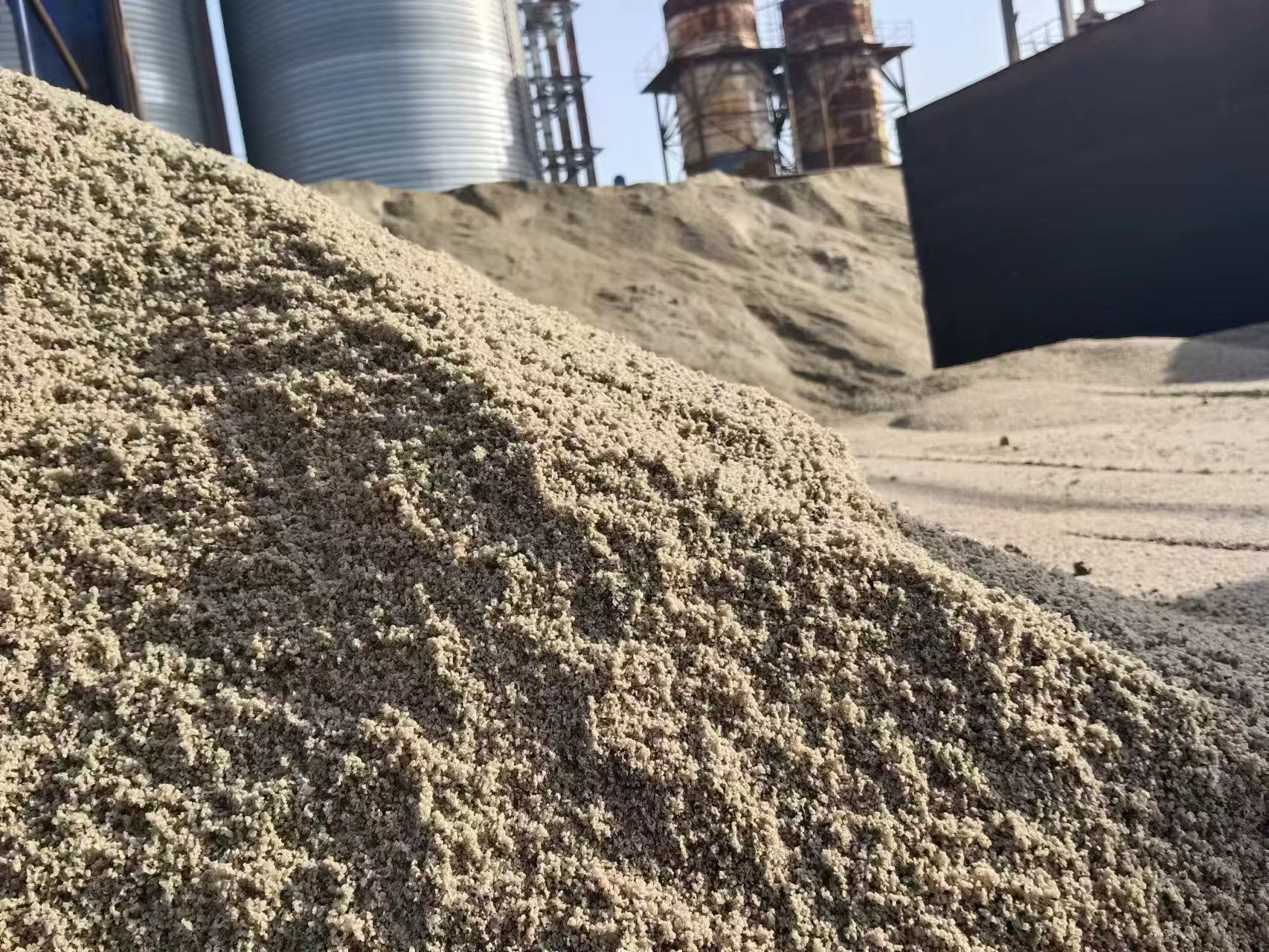
For SENLAN, the commercial implication is execution-focused. Our GGBFS plant and loading base at Caofeidian connect material preparation with bulk or jumbo-bag shipment options. Early technical confirmation and dependable logistics are part of a credible clinker-substitution strategy.
Takeaway: Thailand’s progress indicates that clinker substitution is becoming an operating model. The next advantage will belong to supply chains that can turn qualified SCM availability into repeatable deliveries. Industry signal sources: CemNet, 16 July 2026; TNGlobal, 21 July 2026.
近期行业报道显示,泰国自 2019 年以来通过熟料替代减少了超过 380 万吨二氧化碳当量排放,并提前多年完成国家目标。这说明低碳水泥正越来越多地通过真实生产变化来衡量,而不只是未来承诺。
1. 低熟料水泥出现可量化信号
其意义不只是一条国家新闻,而是说明当标准、生产商与采购协同推进时,熟料替代能够带来可衡量的减排。随着这一模式扩大,水泥厂需要的是可重复获得的合适 SCM。
2. SCM 需求转化为质量与物流问题
GGBFS、GBFS 和其他 SCM 可以支持低熟料配方,但材料名称本身远远不够。买方还需要规格、检验、库存控制和与生产节奏匹配的发运计划。海运货盘还应尽早确认数量、卸港、laycan、装载方式和船型。
3. 出口准备度也是减碳执行的一部分
对 SENLAN 而言,商业含义落在执行上。位于曹妃甸的 GGBFS 工厂与装货基地,把材料准备与散装或吨袋发运方案连接起来。前期技术确认与可靠物流,是可信熟料替代策略的一部分。
结论:泰国的进展说明,熟料替代正在成为一种运营模式。下一步优势将属于那些能把合格 SCM 供应转化为可重复交付的供应链。行业信号来源:CemNet,2026 年 7 月 16 日;TNGlobal,2026 年 7 月 21 日。
Planning GBFS or GGBFS cargo?
Please share quantity, specification, discharge port, laycan and loading method so GBFS or GGBFS readiness and shipment execution can be checked together.
Request a quote