Clinker Supply Disruption Puts Origin Diversification in Focus
Recent disruption to established clinker flows shows why diversified origins, early vessel planning and shipment readiness now matter more.
熟料供应中断,让多元化货源成为焦点
近期传统熟料流向受阻,说明多元化货源、提前配船与发运准备度正变得更加关键。
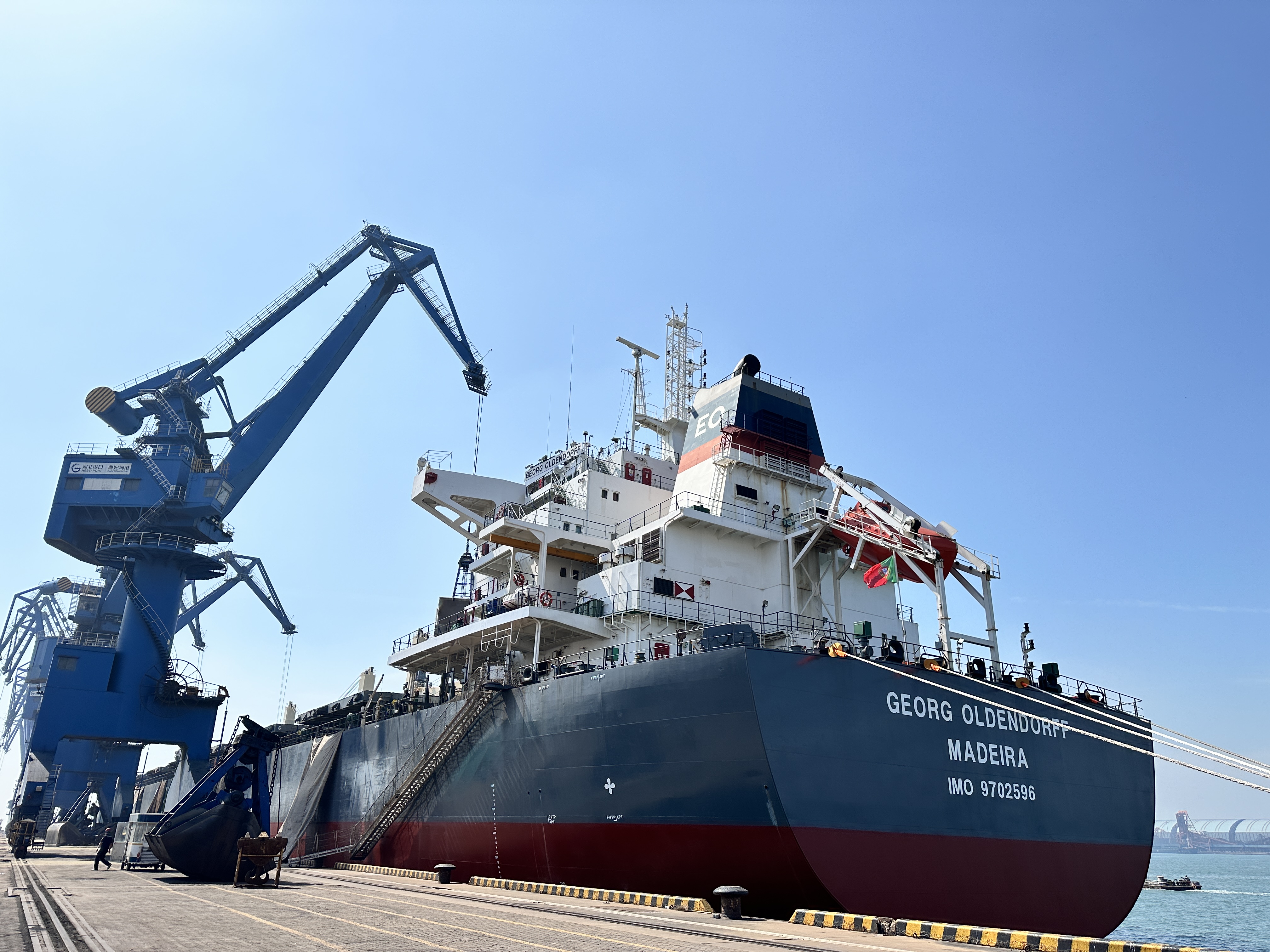
Recent cement-market reporting says disruptions linked to conflict and shipping risk have interrupted established clinker supply into Bangladesh, while other imported inputs face higher costs and longer routing. The signal extends beyond one market: cement producers dependent on seaborne raw materials need more than a nominal supplier list—they need qualified alternatives that can actually load.
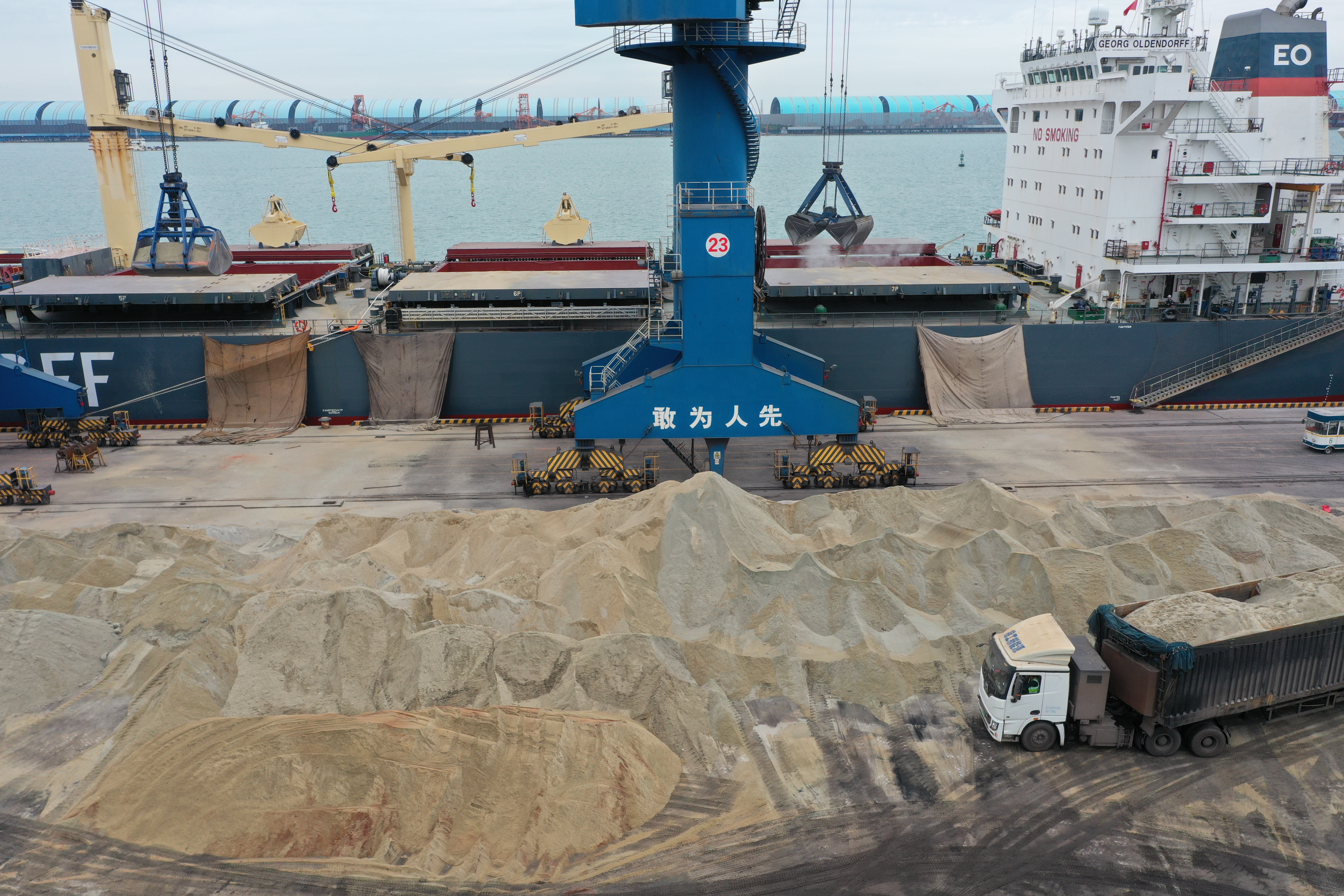
1. Supply disruption can quickly become production risk
A cement plant can have demand, grinding capacity and customers, yet still face pressure when clinker arrivals become uncertain. Procurement resilience therefore begins with origin diversification, technical qualification and realistic lead times—not a last-minute spot enquiry after the regular route has already tightened.
2. Alternative origin means an execution-ready cargo
A second origin is useful only when specification, quantity, laycan, loading method and vessel fit are aligned. Buyers should also confirm inspection, documents, berth conditions and discharge constraints early. These details determine whether an alternative becomes a real shipment or remains a line on a sourcing spreadsheet.
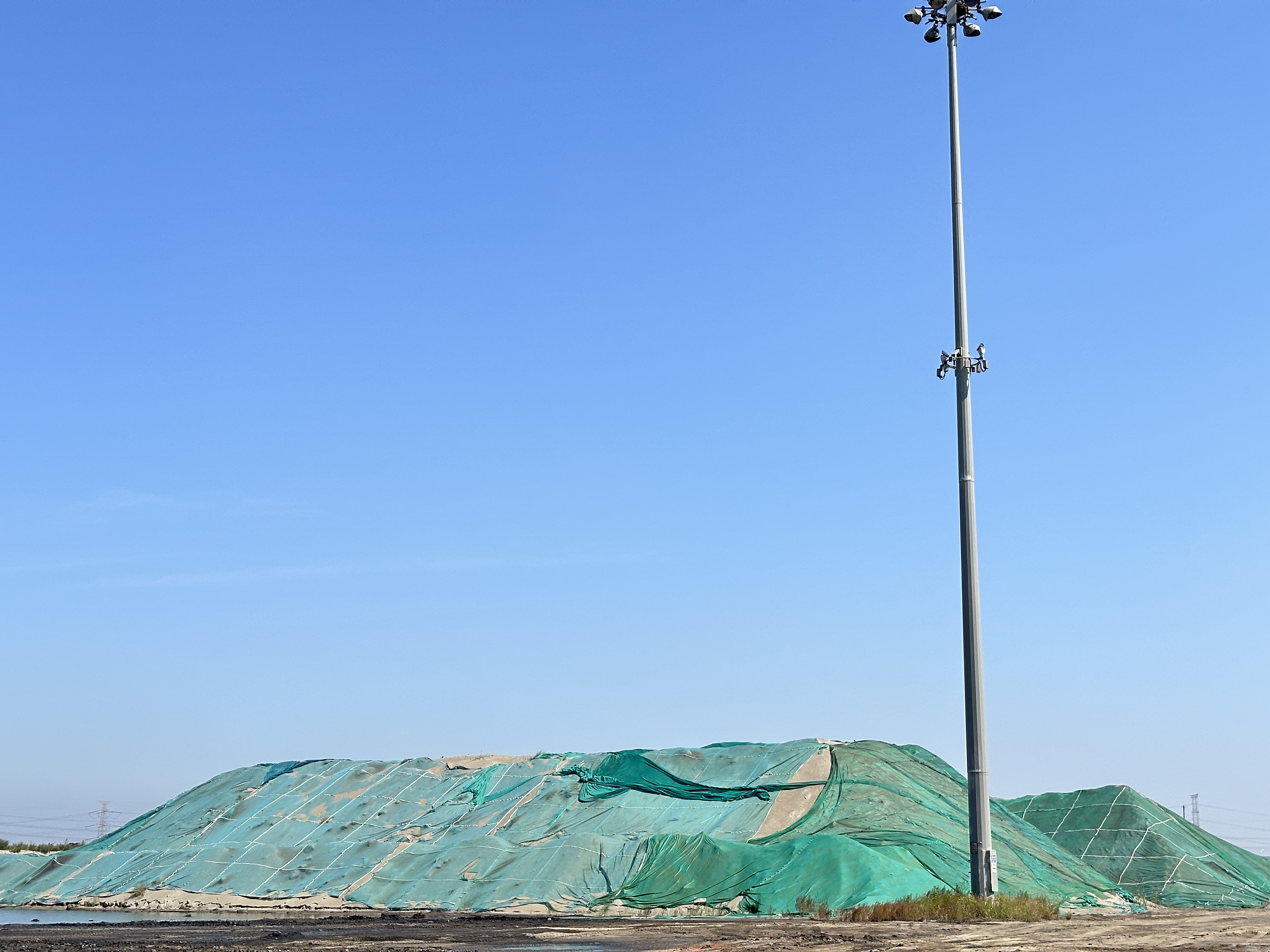
3. Clinker and SCM planning should work together
For cement producers, clinker security and supplementary cementitious material planning increasingly belong in the same procurement conversation. SENLAN supports clinker, GBFS and GGBFS supply from China, with Caofeidian-based loading execution. Early confirmation of specifications, quantity, laycan and loading method helps match the material plan to a workable shipment.
Takeaway: recent clinker disruption is a reminder that supply resilience is built before the market becomes urgent. Qualified origins, port readiness and disciplined cargo planning give cement buyers more room to respond. Industry signal source: CemNet, 24 July 2026.
近期水泥市场报道显示,冲突与航运风险扰乱了孟加拉国既有熟料供应,其他进口原料也面临成本上涨和航线延长。这一信号并不限于单一市场:依赖海运原料的水泥企业,不仅需要供应商名单,更需要真正能够装运的合格替代货源。
1. 供应中断可能迅速转化为生产风险
水泥厂即使拥有需求、粉磨能力和客户,也可能因熟料到港不确定而承压。采购韧性因此始于货源多元化、技术认证和现实交期,而不是常规路线收紧后的临时询盘。
2. 替代货源必须对应可执行货盘
第二货源只有在规格、数量、laycan、装载方式和船型匹配后才有意义。买方还应提前确认检验、单证、泊位条件与卸港限制,这些细节决定替代方案能否变成真实装运。
3. 熟料与 SCM 规划应协同进行
对水泥企业而言,熟料供应安全与补充性胶凝材料规划正逐渐进入同一采购议题。SENLAN 支持来自中国的熟料、GBFS 与 GGBFS 供应,并以曹妃甸为装货执行基地。提前确认规格、数量、laycan 与装载方式,有助于把材料方案转化为可执行发运。
结论:近期熟料供应扰动再次说明,供应韧性必须在市场进入紧急状态之前建立。合格货源、港口准备度与严谨货盘规划,能给水泥买方留下更大应对空间。行业信号来源:CemNet,2026 年 7 月 24 日。
Planning GBFS or GGBFS cargo?
Please share quantity, specification, discharge port, laycan and loading method so GBFS or GGBFS readiness and shipment execution can be checked together.
Request a quote