Duisburg’s New Slag Grinding Platform Shows How SCM Demand Is Becoming Industrial Infrastructure
LOESCHE will supply a slag grinding plant to Ferro Duo in Duisburg as the first step in a wider SCM platform for lower-CO2 building materials. For GBFS and GGBFS suppliers, the signal is clear: supplementary cementitious materials are moving from market narrative into real industrial capacity and long-term processing strategy.
杜伊斯堡新建矿渣粉磨平台:SCM 需求正从市场叙事变成工业基础设施
LOESCHE 将向德国杜伊斯堡的 Ferro Duo 供应一套矿渣粉磨装置,作为更大规模 SCM 平台的第一步,用于支持更低 CO2 的建材生产。对 GBFS 与 GGBFS 供应商来说,这个信号很明确:掺合料需求正在从概念层面,进入真实的工业产能与长期加工布局。
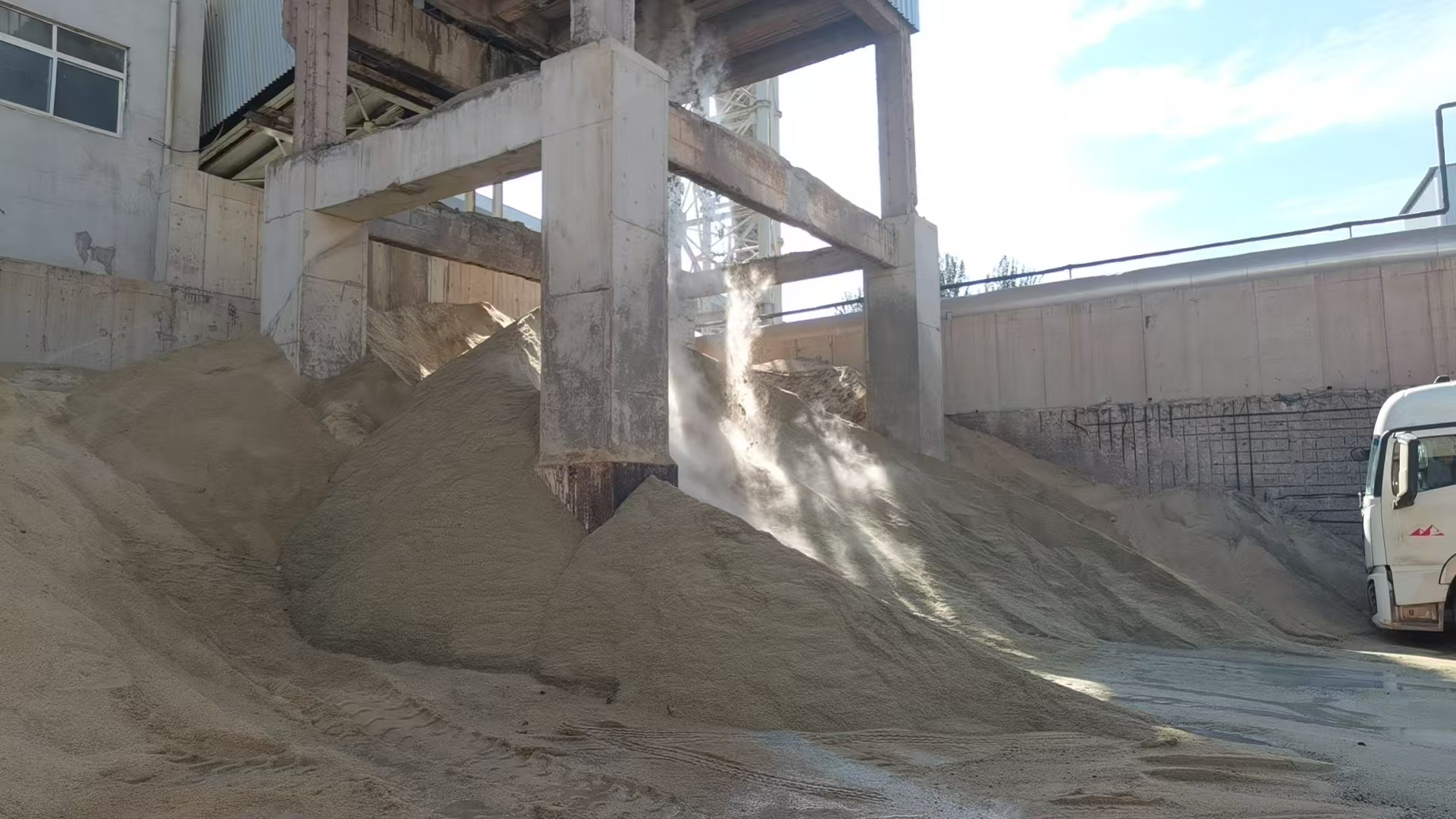
Recent industry reports say LOESCHE will deliver a slag grinding plant to Ferro Duo in Duisburg, North Rhine-Westphalia. The project is described as the first milestone in a broader industrial SCM platform intended to scale up lower-CO2 building materials production in Europe, with planned capacity reaching several hundred thousand tonnes per year. That is an important signal for the bulk materials trade: supplementary cementitious materials are no longer only discussed as policy targets or sustainability messaging. They are increasingly being built into real processing systems.
1. Why this project matters beyond one equipment order
On the surface, this is an equipment supply story. In reality, it is a supply-chain signal. A new grinding line dedicated to slag means investors see enough future demand for SCMs to support fixed industrial infrastructure. That matters because it reduces the distance between decarbonisation goals and physical market execution. Once a platform is designed around slag processing, demand becomes more disciplined: feedstock quality, throughput stability, grinding performance and logistics planning all become part of the business case.
For exporters and processors, that is much stronger than a headline about theoretical low-carbon ambition. It suggests that buyers in mature markets are willing to anchor future material strategies around SCM availability and processing reliability.
2. What it means for GBFS and GGBFS suppliers
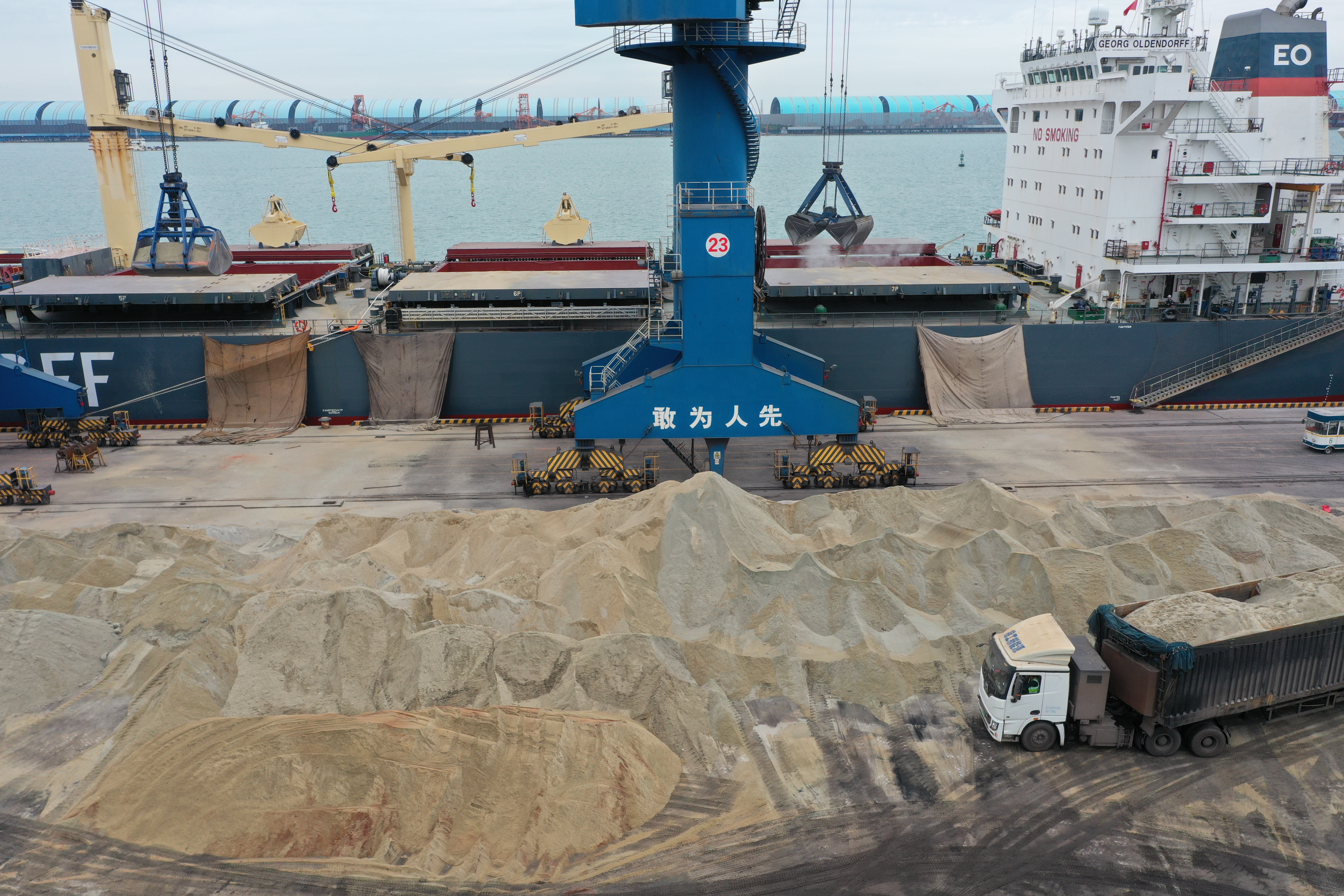
A project like this does not automatically create immediate import demand from any single origin, but it changes how suppliers should read the market. If Europe is building dedicated SCM processing platforms, upstream slag supply becomes more strategic. Buyers will care not only about price, but also about chemistry consistency, moisture control, documentation discipline, shipment flexibility and the confidence that cargo can move on schedule.
This is where reliable GBFS and GGBFS suppliers can gain ground. Industrial SCM capacity needs dependable feedstock logic behind it. In other words, a grinding platform is only as strong as the trade chain that supports it from loading point to final processing site.
3. The broader trade takeaway for SENLAN’s market view
For SENLAN Trading, the message is practical. The market for slag-based cementitious materials is maturing in a way that rewards execution, not just availability. New SCM infrastructure in Europe supports a longer-term view of bulk slag value chains. Suppliers that can combine stable product quality with realistic loading options and disciplined logistics may be better positioned as these platforms expand.
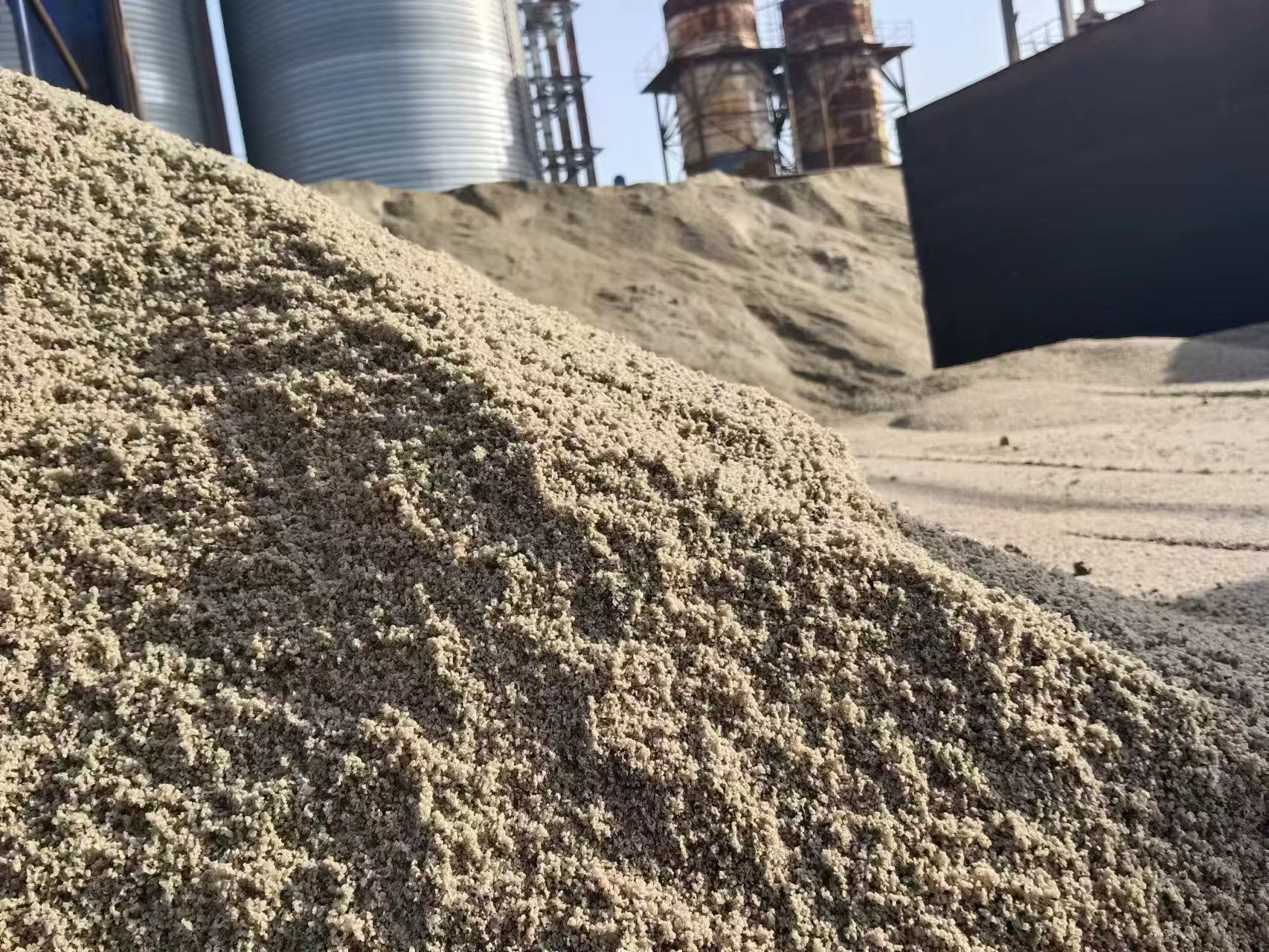
The takeaway is simple: the next stage of low-carbon cement trade will be shaped not only by policy or marketing language, but by who invests in processing capacity and who can feed that capacity with stable, workable slag supply.
近期行业消息显示,LOESCHE 将向德国北莱茵-威斯特法伦州杜伊斯堡的 Ferro Duo 交付一套矿渣粉磨装置。报道将这一项目描述为更大规模工业化 SCM 平台的第一步,目标是支撑欧洲更低 CO2 建材的规模化生产,规划能力达到每年数十万吨级。对散装建材贸易来说,这是一条很值得重视的信号:掺合料不再只是政策口号或可持续叙事,而是在被真正写进加工系统和产能布局里。
1. 这项项目为何不只是一个设备订单
表面上看,这是一条设备供货新闻;本质上,它更像是一条供应链信号。一个专门面向矿渣的粉磨产线,意味着投资方已经看到未来 SCM 需求足以支撑固定工业基础设施。这很关键,因为它把减碳目标和现实市场执行之间的距离拉近了。一旦一个平台围绕矿渣加工来设计,原料质量、处理稳定性、粉磨表现以及物流安排,就都会变成商业模型的一部分。
对出口商和加工方来说,这比单纯谈“低碳趋势”更扎实。它说明成熟市场的买家,正在愿意围绕 SCM 的可得性与加工可靠性,来锚定未来的材料策略。
2. 这对 GBFS 与 GGBFS 供应商意味着什么
类似项目并不一定马上对应某一个产地的进口增量,但它会改变供应商理解市场的方式。如果欧洲正在建设专门的 SCM 加工平台,那么上游矿渣供应就会变得更具战略性。买家关注的不会只有价格,还会包括化学成分稳定性、含水控制、单证纪律、发运灵活性,以及货物能否按计划推进的确定性。
这正是可靠的 GBFS 与 GGBFS 供应商可以放大优势的地方。工业化 SCM 产能的背后,需要一条同样工业化、可执行的上游供料逻辑。换句话说,一个粉磨平台的强度,最终仍然取决于从装港到加工端的整条贸易链是否可靠。
3. 对森蓝市场判断的更大启示
对森蓝贸易来说,这条信息的价值很务实:矿渣类胶凝材料市场正在以更成熟的方式发展,未来奖励的将不只是“有货”,而是“能稳定执行”。欧洲新增的 SCM 基础设施,强化了散装矿渣价值链的长期逻辑。那些既能提供稳定品质、又能匹配现实装运方式与物流纪律的供应商,可能会在这类平台扩张时更有竞争力。
最后的结论很简单:低碳水泥贸易的下一阶段,不只取决于政策或概念传播,还取决于谁在建设加工能力,以及谁能用稳定、可执行的矿渣供应去支撑这些能力。