Tilbury Cement Works Shows How Import Terminals Are Becoming Processing Platforms for Low-Carbon SCM Supply
Holcim UK's new Tilbury Cement Works is more than an import point. It shows how marine access, enclosed storage, automated dispatch and future GBFS grinding are being combined into one platform for lower-carbon cement supply.
Tilbury 水泥基地说明:进口终端正变成低碳 SCM 供应的加工平台
Holcim UK 新启用的 Tilbury Cement Works,不只是一个收货点。它说明港口深水条件、封闭仓储、自动发运和后续 GBFS 粉磨能力,正被组合成一个面向低碳水泥供应的综合平台。
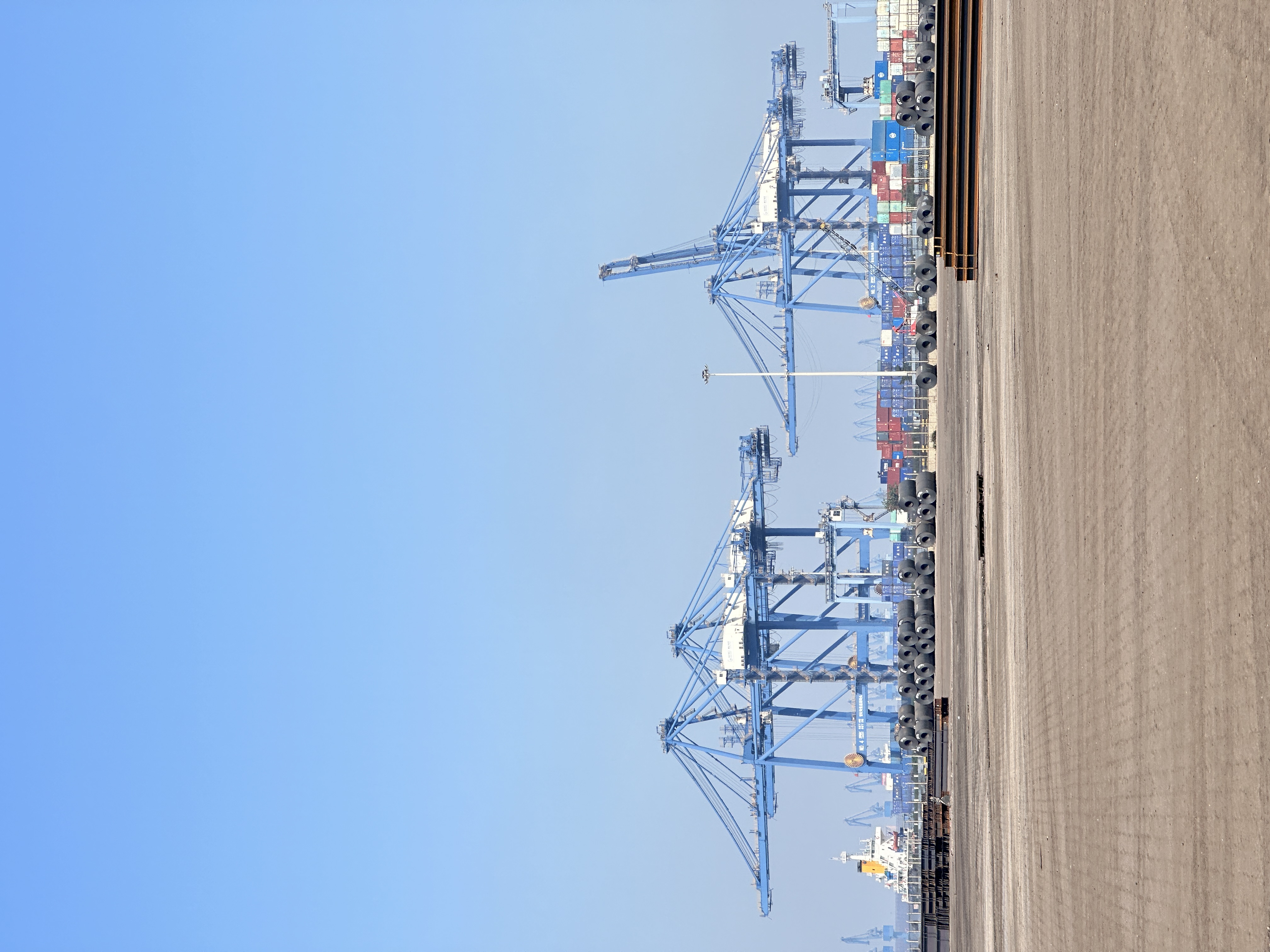
Recent Holcim UK and industry reports offer a useful signal for cement and SCM traders. Tilbury Cement Works has started import and distribution operations at the Port of Tilbury, marking the shift from construction to live logistics. According to Holcim UK and trade-media coverage, the site combines deep-water marine access, enclosed conveyors, large-scale storage, automated despatch and a vertical roller mill scheduled to come online later in 2026. That matters because it turns the terminal from a passive receiving point into an active processing platform.
1. Import terminals are moving from receiving assets to operating platforms
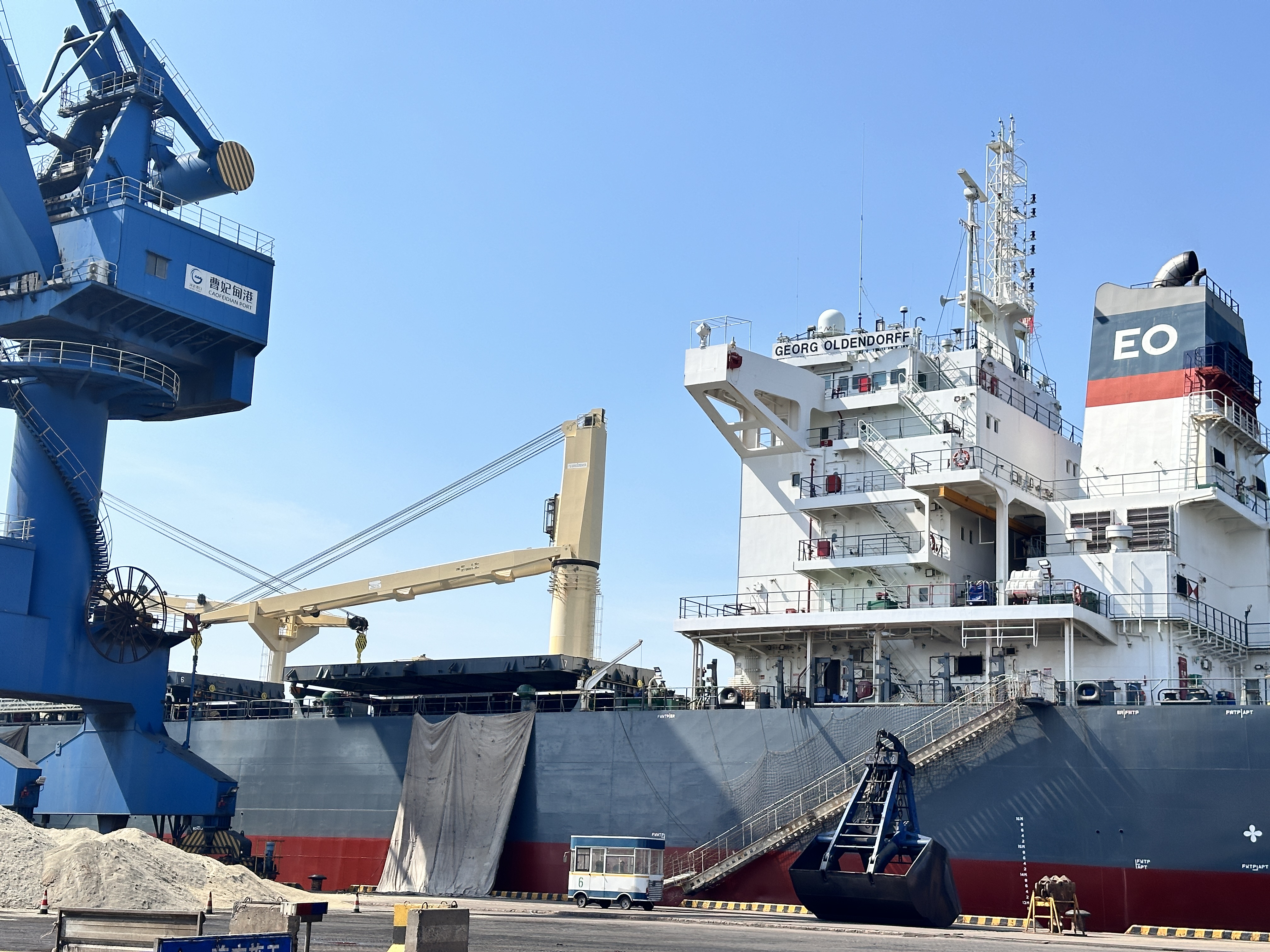
The Tilbury project highlights a wider shift in cement trade. A terminal with 24/7 operating design, direct vessel discharge, enclosed conveyors and large storage is not just a bigger logistics node. It gives the operator more control over vessel windows, inventory timing and customer despatch reliability. In practical terms, that means a buyer is less dependent on one narrow unloading moment and more able to convert seaborne cargo into steady regional coverage.
For traders, this matters because the destination asset increasingly shapes the value of the cargo. Cement, clinker, GBFS and other SCM-linked materials become easier to commercialise when the receiving side can absorb volumes cleanly and keep the downstream flow stable. That is why terminal quality is gradually becoming part of the trade proposition itself.
2. Direct vessel-to-storage-to-despatch flow is becoming a real competitive edge
Holcim UK says material at Tilbury moves directly from vessel to storage and then through multiple loading heads and weighbridges. That sequence sounds operational, but commercially it is important. Every smoother transfer point reduces demurrage risk, shortens inventory uncertainty and improves the odds that imported material can serve customers on schedule. In bulk materials, the terminal wins only when the cargo keeps moving after the ship has arrived.
This is especially relevant in regions where cement demand is high but land, congestion and environmental requirements all constrain handling. A terminal with disciplined flow design can support not only faster unloading, but also better stock segregation, cleaner dispatch and more reliable service windows for different customer types. Those details are increasingly visible to procurement teams even when they do not appear directly in an FOB quote.
3. GBFS grinding turns the terminal into part of the low-carbon cement supply chain
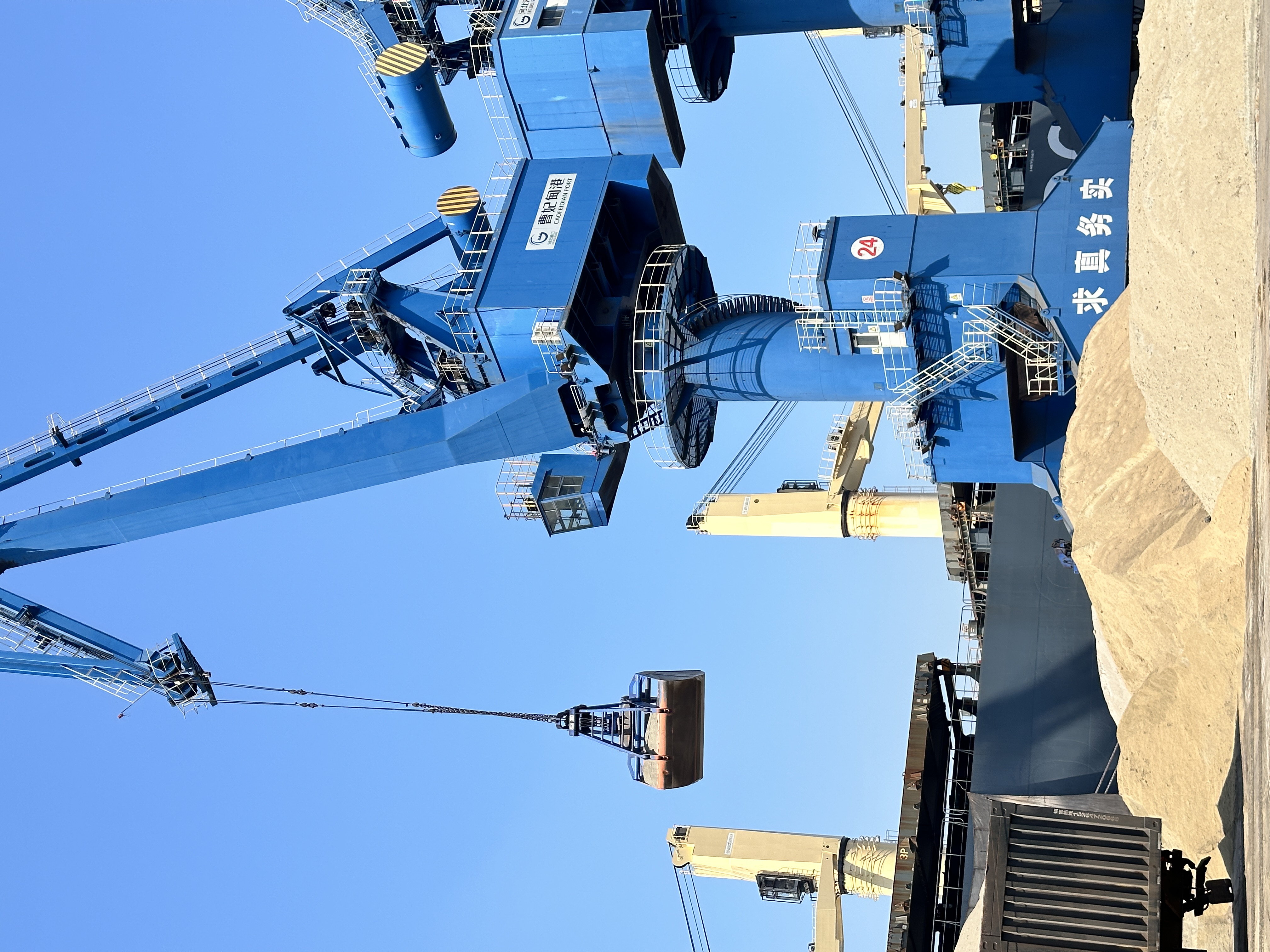
The most important Tilbury signal may be what comes next. The site's planned vertical roller mill is expected to grind granulated blast furnace slag and recycled concrete fines into GGBFS and blended cements. That shifts the terminal from being just an import gateway to being part of the value-creation process. In other words, the site is not only receiving low-carbon inputs; it is preparing to convert them into tradeable cementitious products closer to end demand.
For suppliers linked to slag and SCM flows, this is a meaningful market signal. Future competitiveness will depend not only on who has access to material, but also on who has the infrastructure to grind, blend, store and distribute it reliably. Takeaway: import terminals are becoming part of the industrial stack behind lower-carbon cement, and the companies that treat logistics plus processing as one system will likely hold the stronger position.
最近 Holcim UK 及行业媒体关于 Tilbury 的消息,给水泥和 SCM 贸易一个很清楚的信号。Tilbury Cement Works 已在英国 Tilbury 港启动进口与分发业务,意味着项目正从建设阶段转入真实物流运行。按照 Holcim UK 与行业报道,该基地把深水海运条件、封闭输送系统、大规模仓储、自动发运,以及计划于 2026 年稍后投运的立磨,组合成了一套完整系统。它的重要性在于:终端不再只是“收货”,而开始成为“加工平台”。
1. 进口终端正在从“接收资产”变成“运营平台”
Tilbury 项目体现的是更广泛的一种变化。一个可以 24 小时运行、支持直接卸船、封闭输送和大规模仓储的终端,并不只是更大的物流节点。它意味着运营方可以更主动地管理到船窗口、库存节奏和客户发运稳定性。落到实操层面,就是买方不再过度依赖某一个狭窄的卸船时点,而更有能力把海运到港货物转化成稳定的区域供应覆盖。
这对贸易商很重要,因为目的港资产本身正在越来越多地决定货物价值。水泥、熟料、GBFS 以及其他与 SCM 相关的材料,只有在接收侧能把货干净接住、并稳定往下游送的时候,才更容易真正商业化。这也是为什么终端质量正在逐步成为贸易方案的一部分。
2. 从卸船到仓储再到发运的一体化流程,正在变成真实竞争力
Holcim UK 提到,Tilbury 的物料将从船舶直接进入仓储系统,再经多个装车口和地磅完成发运。这个流程看似是操作细节,但商业意义很大。每减少一个卡点,就可能降低滞期风险、缩短库存不确定性,并提高进口物料按时服务客户的概率。在大宗建材里,终端真正的价值,不在于货有没有卸下来,而在于卸下来以后能不能持续往前走。
这在高需求、又受土地、拥堵和环保要求约束的地区尤其关键。一个流程设计更有纪律的终端,不只是意味着卸货更快,也意味着更好的分仓管理、更干净的发运和更稳定的交付窗口。采购团队会越来越看重这些能力,即便它们不一定直接写在 FOB 报价里。
3. 当终端具备 GBFS 粉磨能力后,它就成了低碳水泥供应链的一部分
Tilbury 更重要的信号,也许在于“下一步”。该基地计划投运的立磨,将把粒化高炉矿渣和再生混凝土细料磨成 GGBFS 和复合水泥。这意味着终端的角色从单纯进口通道,升级为价值创造环节。也就是说,它不只是接收低碳原料,而是在更接近终端需求的位置,把这些原料转化为可交易的胶凝产品。
对于与矿渣和 SCM 流向相关的供应方来说,这是一个很强的市场信号。未来竞争力不只取决于谁拿得到原料,也取决于谁有能力稳定地把原料粉磨、掺配、仓储并分发出去。结论很简单:进口终端正在成为低碳水泥工业体系的一部分,而那些把“物流 + 加工”当成一套系统来做的公司,往往会更占优势。
Explore products or discuss your inquiry.
If this market signal is relevant to your sourcing plan, you can review our core product pages or contact us with quantity, target specification, loading method and discharge requirements.
Request a quote